 Technical Fies
TIPS
Many thanks for your trust, We will contact you as soon as we see the information
Technical Fies
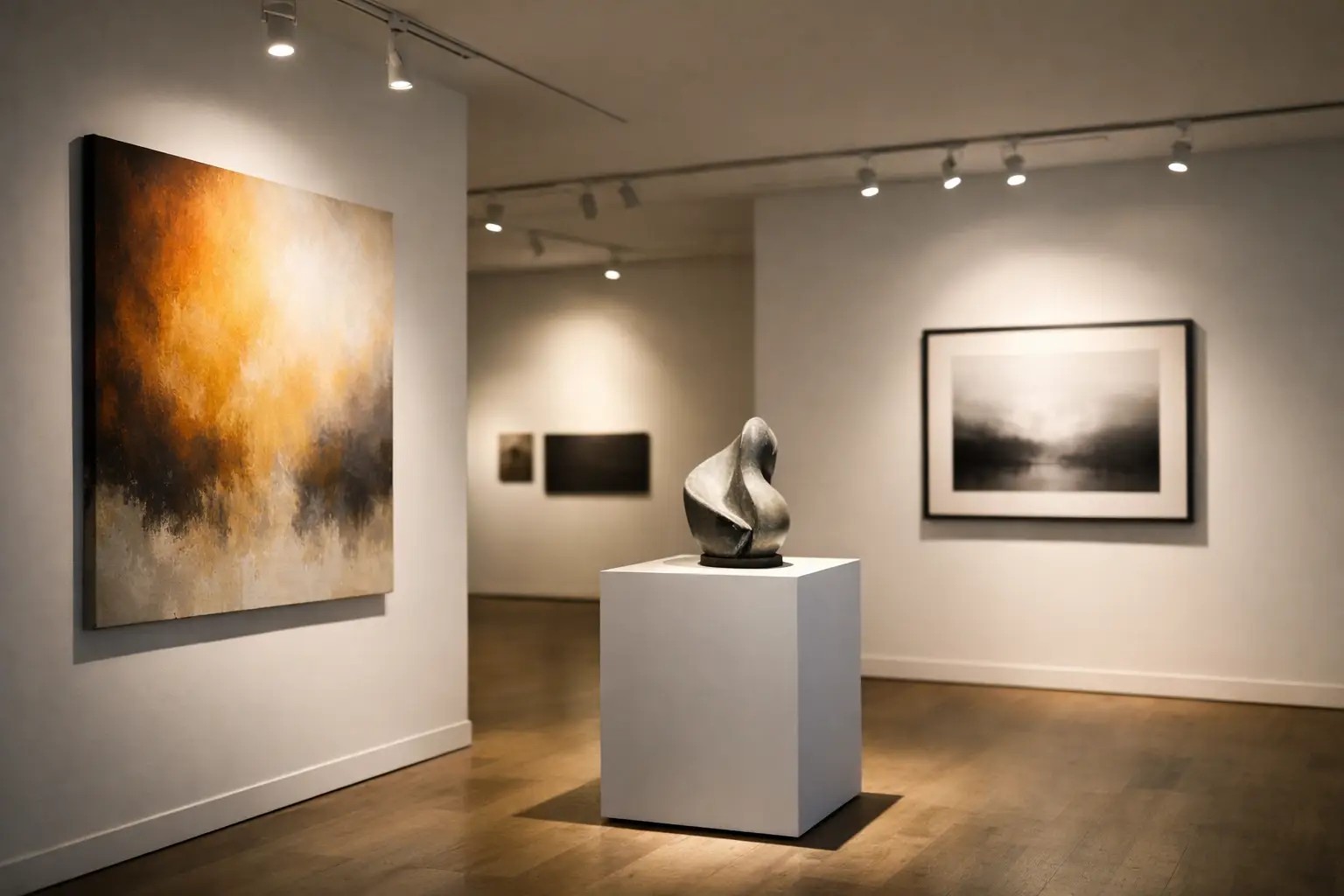
A visitor may spend only seconds in front of a work, yet gallery exhibition lighting design determines whether they see its texture, color, scale, and intent as the artist intended. A poorly aimed spotlight can flatten a sculpture, reflect sharply from glazed artwork, or make a carefully curated wall feel uneven. The objective is not simply to make the gallery bright. It is to deliver controlled illumination that supports the collection, the architectural concept, and a calm viewing experience.
For architects, lighting designers, and gallery operators, this requires more than selecting an attractive track fixture. Beam control, glare management, color quality, dimming behavior, mounting positions, and conservation requirements must work together from the earliest design stage.
The collection should shape the lighting strategy. Paintings, photographs, textiles, sculpture, display cases, and digital installations each respond differently to light. A large oil painting may benefit from an even wall-focused distribution, while a small object in a case often needs precise accent light with carefully limited spill.
Sensitive materials require particular attention. Light exposure can contribute to fading and material change over time, especially with paper-based works, textiles, watercolors, and historic artifacts. LEDs reduce ultraviolet and infrared output compared with conventional sources, but low heat and low UV do not eliminate the need for exposure management. Illuminance targets, operating hours, daylight control, and dimming scenes should be considered together with the conservator or curator.
For many contemporary galleries, a layered approach works best. Ambient lighting establishes orientation and safe circulation, wall lighting gives the room visual order, and adjustable accents create focus. The balance depends on the exhibition. A minimal white-wall presentation may call for restrained contrast and quiet, uniform surfaces. A dramatic sculpture show may require stronger focal intensity and carefully protected darker zones.
Visitors should understand where to look without feeling directed by obvious theatrical effects. The hierarchy usually begins at the entry sequence, then moves toward feature works, thematic groupings, and circulation routes. Lighting can reinforce this sequence by varying brightness, beam width, and the relationship between artworks and their surrounding surfaces.
Contrast is useful, but it has limits. Excessive contrast makes transitions between bright and dark areas uncomfortable and can obscure labels or peripheral artworks. Low contrast, on the other hand, can make a collection feel visually flat. The right ratio depends on the artwork, wall finish, ceiling height, available daylight, and the intended mood of the exhibition.
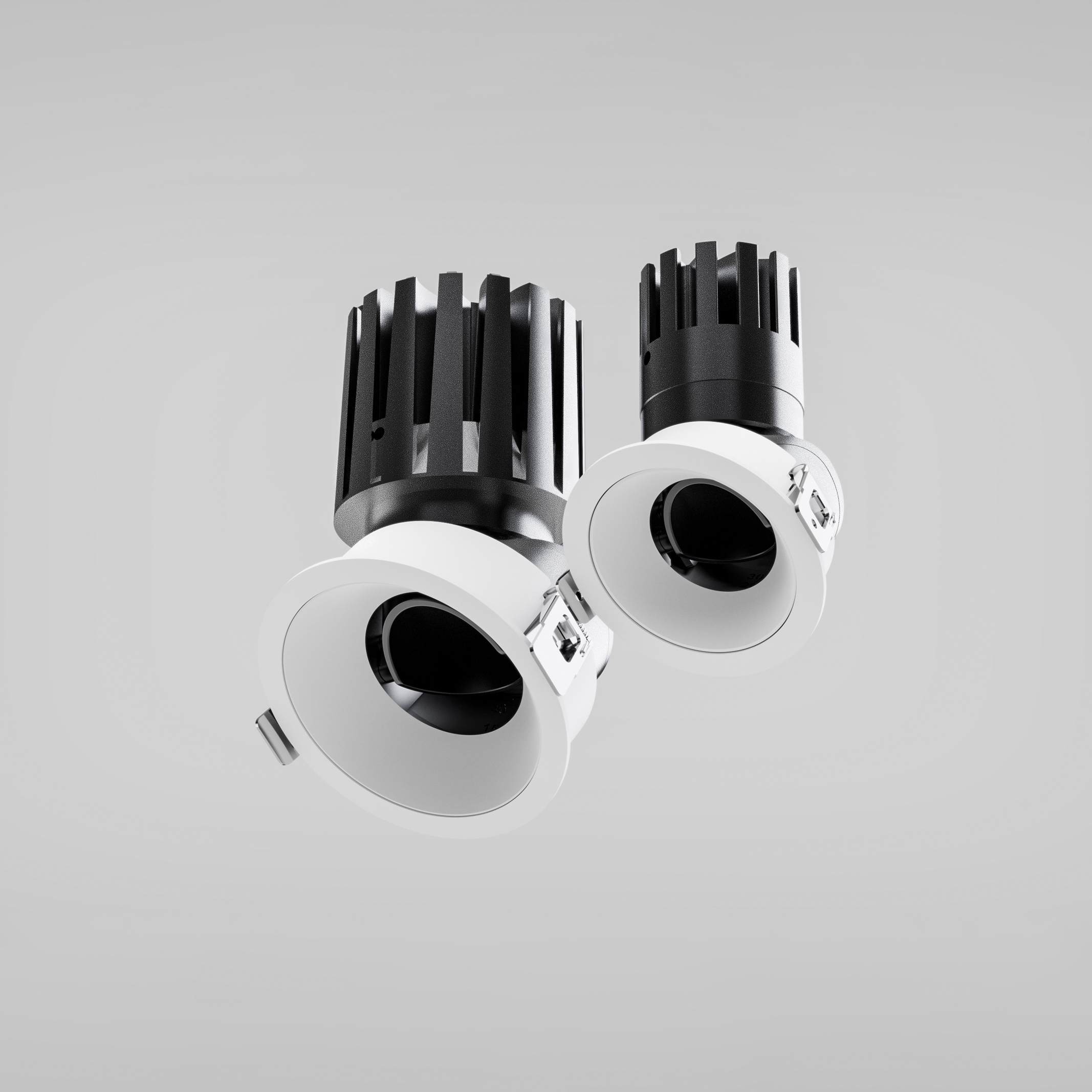
High lumen output is not a measure of successful gallery lighting. The most effective fixture is one that places the required light exactly where it is needed, with minimal glare and minimal spill onto adjacent work. This is why adjustable LED spotlights and track-mounted systems remain central to exhibition environments.
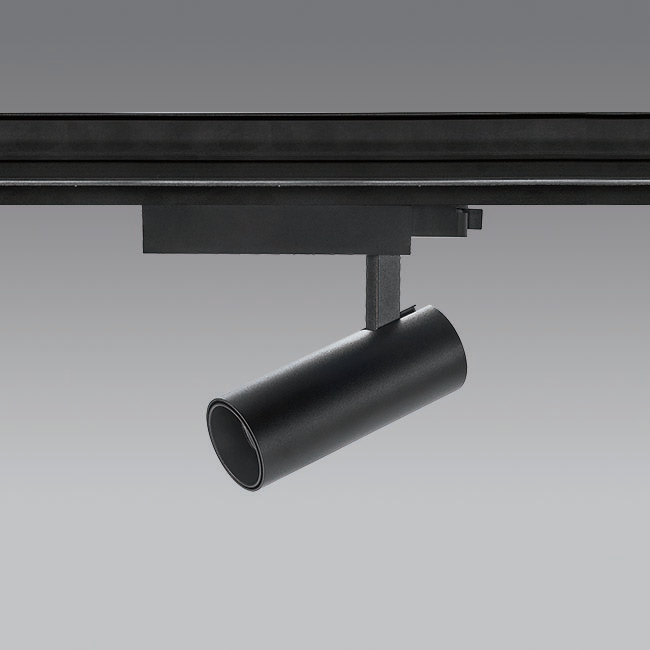
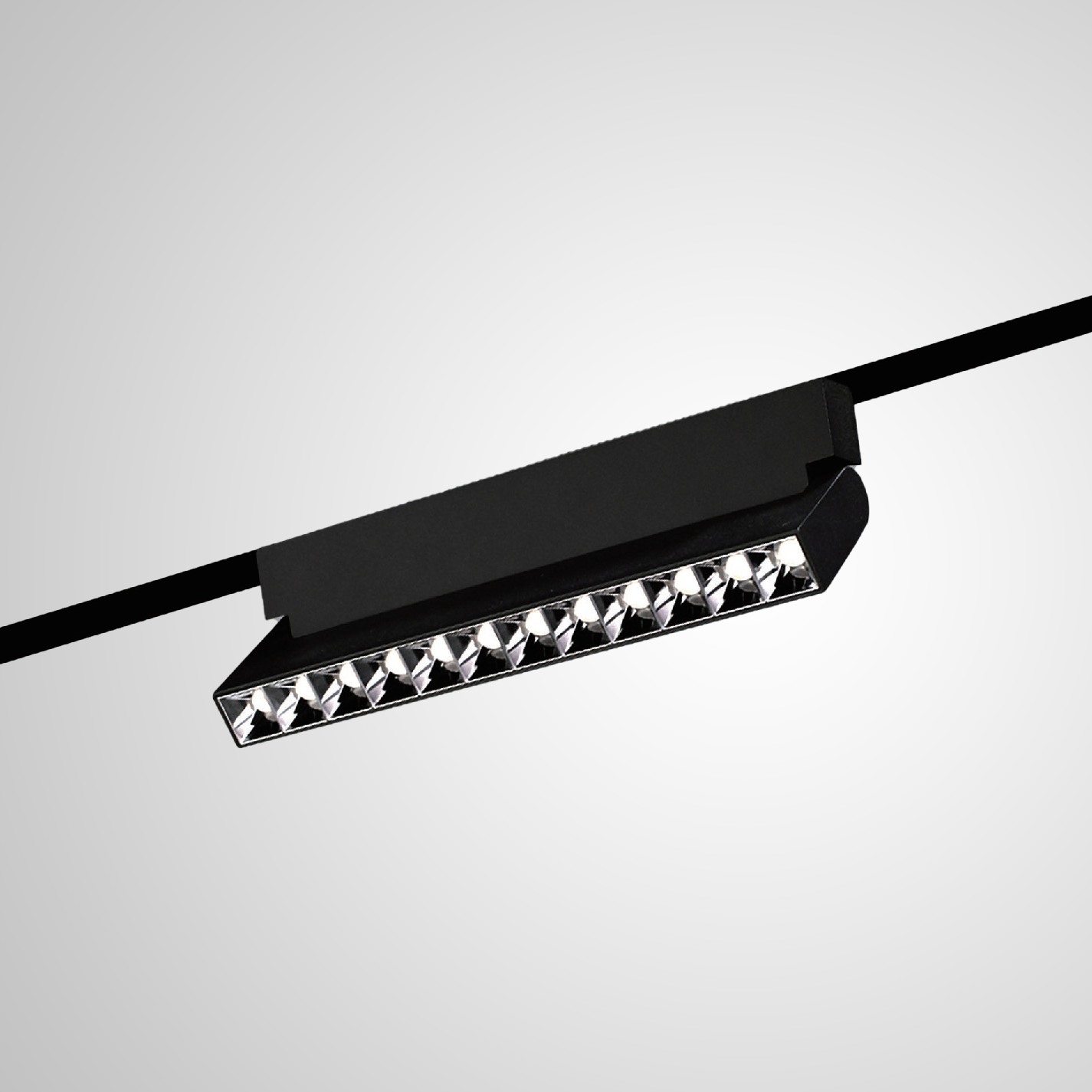
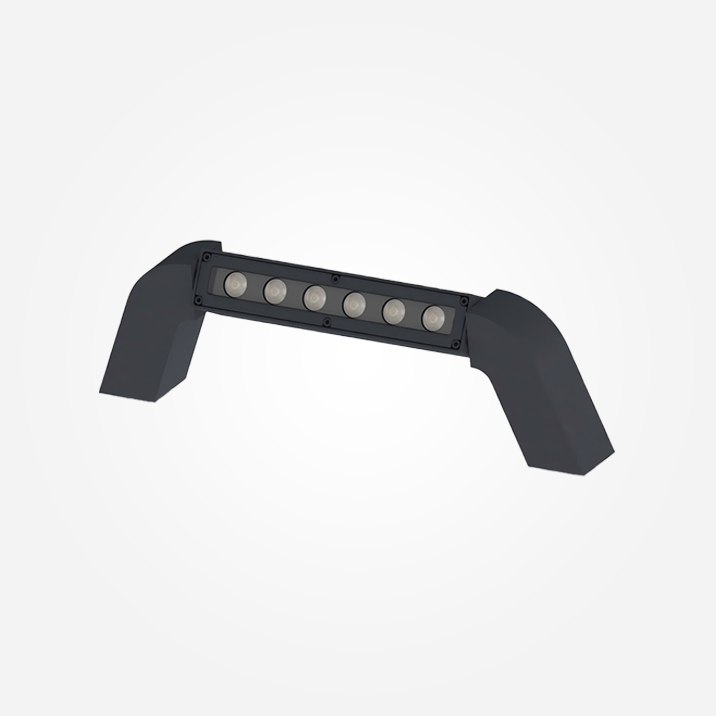
Track lighting provides practical flexibility for rotating collections. Fixtures can be repositioned, re-aimed, and replaced without reopening the ceiling, helping galleries adapt to changing layouts. Low-voltage track systems can offer an especially refined visual profile in premium interiors, while maintaining the flexibility required for focused display lighting.
Beam angle selection should follow the size, position, and viewing distance of the artwork. Narrow beams can create crisp emphasis on small pieces or tall sculptural elements, but they can also produce harsh hot spots if aimed incorrectly. Wider beams suit larger canvases and broader wall areas, although an overly wide distribution may wash over frames, labels, and neighboring works. Zoomable or interchangeable-optic spotlights give project teams more latitude when exhibition programs change frequently.
Color rendering is equally critical. A high-quality LED source should reveal subtle pigments, material finishes, skin tones in portraiture, and the distinction between warm and cool surfaces. Color rendering index is a useful starting point, but it should not be the only specification. For galleries with demanding collections, evaluate spectral quality, consistency between fixtures, and color fidelity for the tones most present in the work.
Color temperature should support both the collection and the architecture. Warm white light can enrich timber, bronze, and traditional artwork, while neutral white often supports contemporary installations and clean white surfaces. There is no universal best setting. Consistency within each visual zone is generally more important than applying one color temperature throughout every room.
Glare is one of the most common reasons a gallery feels uncomfortable, even when measured light levels appear appropriate. It occurs when the source is visible at a disturbing brightness, when light reflects from glazed surfaces, or when a highly illuminated object sits against a much darker field.
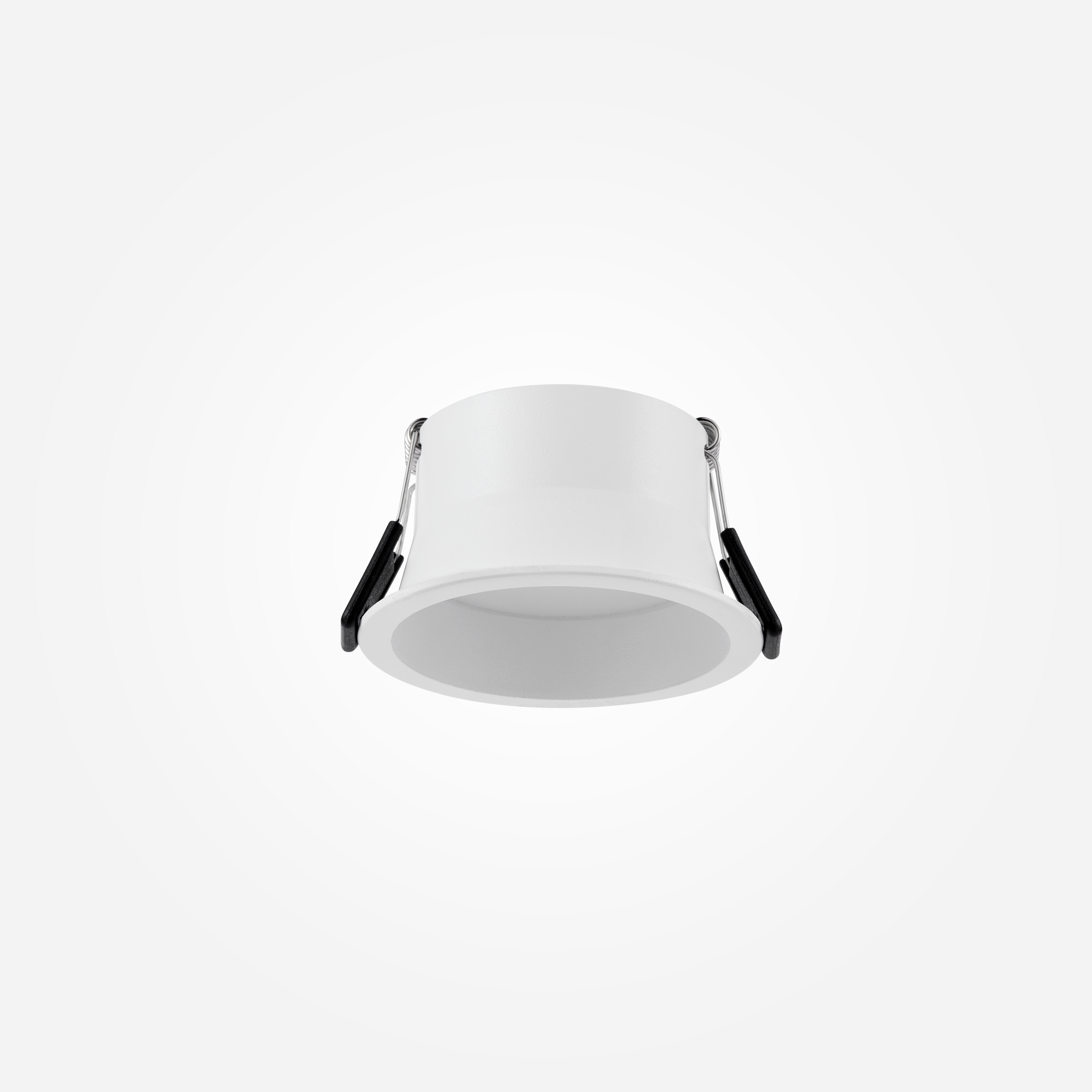
Anti-glare fixture design is therefore a core requirement. Deep-set light sources, recessed optics, louver accessories, honeycomb grids, and carefully designed shielding can reduce source brightness from normal viewing angles. The goal is for visitors to notice the artwork first, not the luminaire.
Aiming geometry matters as much as the fixture. For wall-mounted art, a common starting point is to position the track or spotlight location so that light reaches the artwork at an angle that limits viewer shadow and surface reflections. Yet this must be tested in the actual space. Glass, varnish, textured paint, and frame depth can all change the result. Artwork with a glossy finish may need a different angle or a more diffuse lighting approach than a matte canvas beside it.
Avoid treating glare control as a late-stage accessory decision. Ceiling height, track offset, fixture body length, beam direction, and visitor sightlines should be coordinated during layout development. This protects the clean architectural ceiling while reducing costly on-site adjustments.
Exhibitions change, and fixed lighting scenes quickly become restrictive. Dimmable LED systems allow each zone or fixture group to be tuned after installation, compensating for differences in artwork reflectance, room finishes, and display height. For high-value collections, dimming also helps manage exposure while preserving visual impact.
The control strategy should be proportionate to the project. A smaller gallery may need straightforward local dimming and clearly grouped circuits. A museum-scale project may require scene control, scheduling, daylight response, and integration with building management systems. More complexity is not automatically better. Controls must remain intuitive enough for gallery staff to adjust displays confidently without compromising the original lighting intent.
Daylight deserves separate consideration. Natural light can create an appealing connection to the exterior, but it changes throughout the day and may introduce unwanted exposure. Use shading, glazing strategies, and daylight-responsive controls where appropriate. In rooms where conservation is the priority, daylight may need to be tightly limited or excluded altogether.
A lighting plan on paper cannot fully predict reflections, shadows, or the visual relationship between adjacent works. Final commissioning should happen with the artworks, plinths, glazing, labels, and major finishes in place. This is where a technically sound design becomes a convincing exhibition environment.
The commissioning team should review five practical conditions:
Document final aiming positions, dimming levels, beam accessories, and scene settings. This record gives gallery teams a reliable baseline when a fixture is moved, an artwork is replaced, or a future exhibition returns to the same layout.
For specification-grade projects, Gamma Lighting can support this process with adjustable, anti-glare LED lighting systems and custom solutions aligned with the gallery’s spatial and display requirements. The value lies in combining clean architectural aesthetics with controllable, accurate illumination rather than forcing an exhibition to fit a standard fixture layout.
A successful gallery does not announce its lighting system. It gives artwork presence, lets visitors remain visually comfortable, and leaves curators with the flexibility to present the next collection with equal precision.