 Technical Fies
TIPS
Many thanks for your trust, We will contact you as soon as we see the information
Technical Fies
A hotel guest may never ask about a fixture’s beam angle or unified glare rating, yet those decisions shape nearly every impression of the property. Custom hotel lighting solutions give hospitality teams the control to create a memorable arrival, a restful room, and service areas that perform reliably long after opening day. The objective is not simply to add more light. It is to place the right light, at the right intensity and color quality, where guests and staff need it.
For architects, interior designers, developers, and hotel operators, customization is particularly valuable when a standard fixture catalog cannot follow the architectural concept, ceiling condition, operating model, or brand standard. A well-engineered solution balances visual comfort, maintenance access, energy performance, and a coherent architectural appearance across the entire property.
Hotels contain multiple environments with conflicting lighting demands. The lobby must feel inviting while supporting reception tasks and security. A restaurant requires flattering light at the table but sufficient illumination for circulation and service. Guest rooms need calm ambient light, precise bedside reading light, and practical illumination at the wardrobe and vanity. Back-of-house areas prioritize safe, efficient working conditions.
Using a single fixture type or one lighting level throughout these spaces usually produces a flat result. It can also create glare at reception counters, dark circulation paths, uneven walls, and guest rooms that feel overly clinical. Customization allows the lighting system to respond to each zone without losing the visual language that connects the hotel.
This does not mean every fixture must be unique. In many projects, the most practical approach is to build a controlled family of luminaires around repeatable modules, then tailor outputs, optics, finishes, mounting details, and control requirements where the architecture demands it. This approach protects design intent while simplifying specification, procurement, and future replacement.
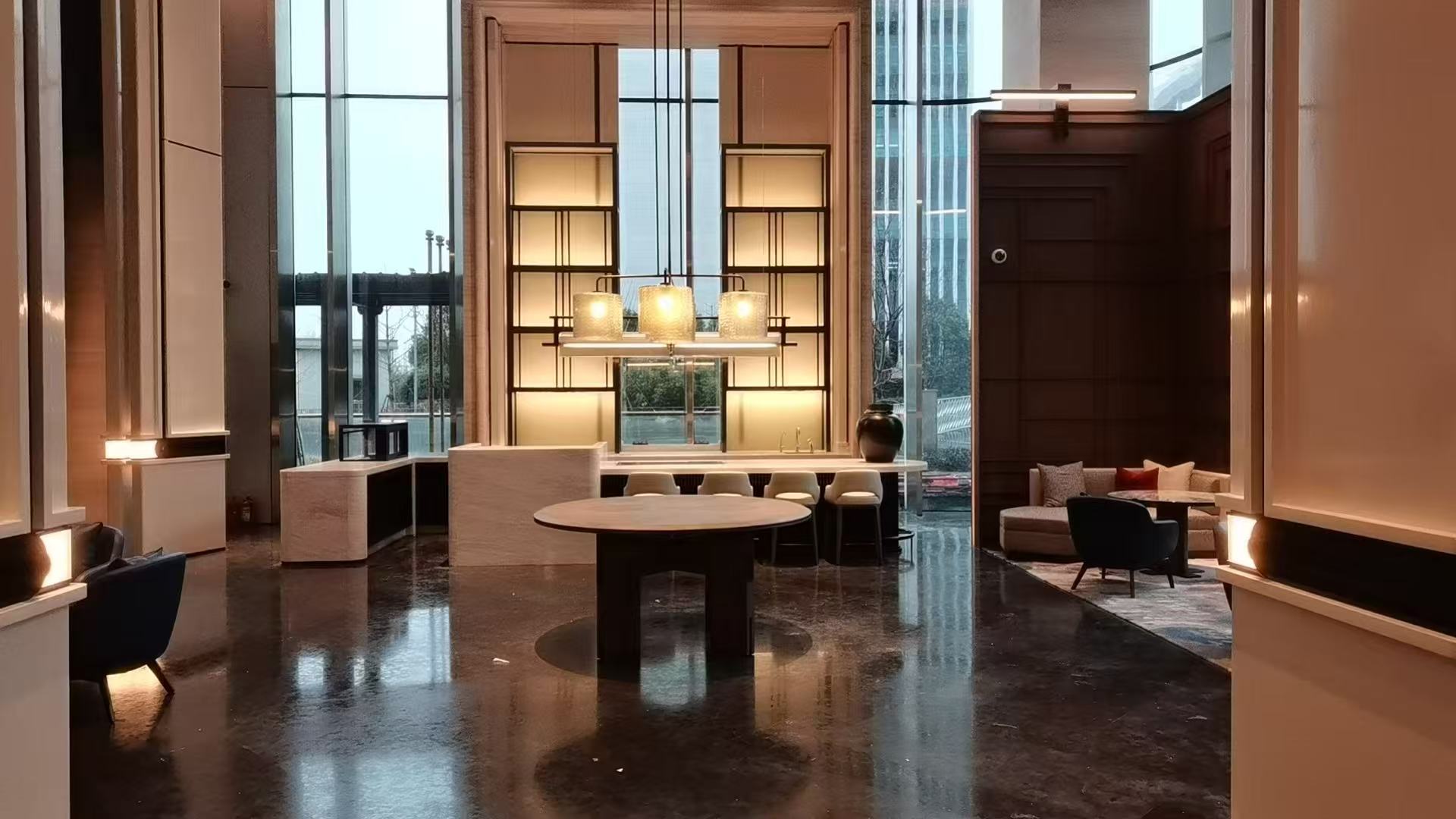
The entrance establishes the first visual hierarchy. Architectural downlights can provide soft ambient illumination, while adjustable spotlights emphasize artwork, feature walls, floral displays, or reception signage. The key is contrast with restraint. Bright focal points help guests understand where to go, but exposed high-brightness sources near the line of sight can make a premium lobby feel uncomfortable.
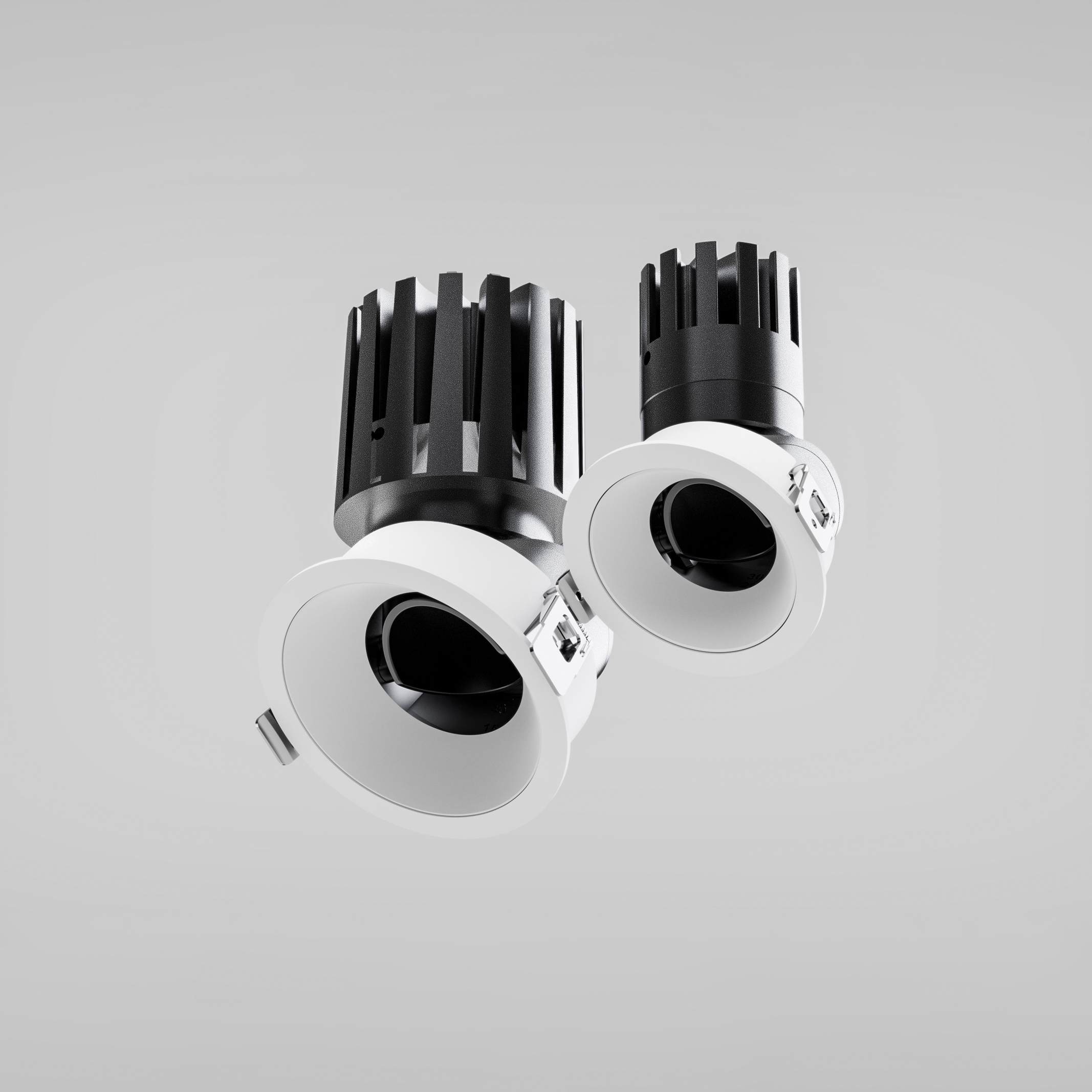
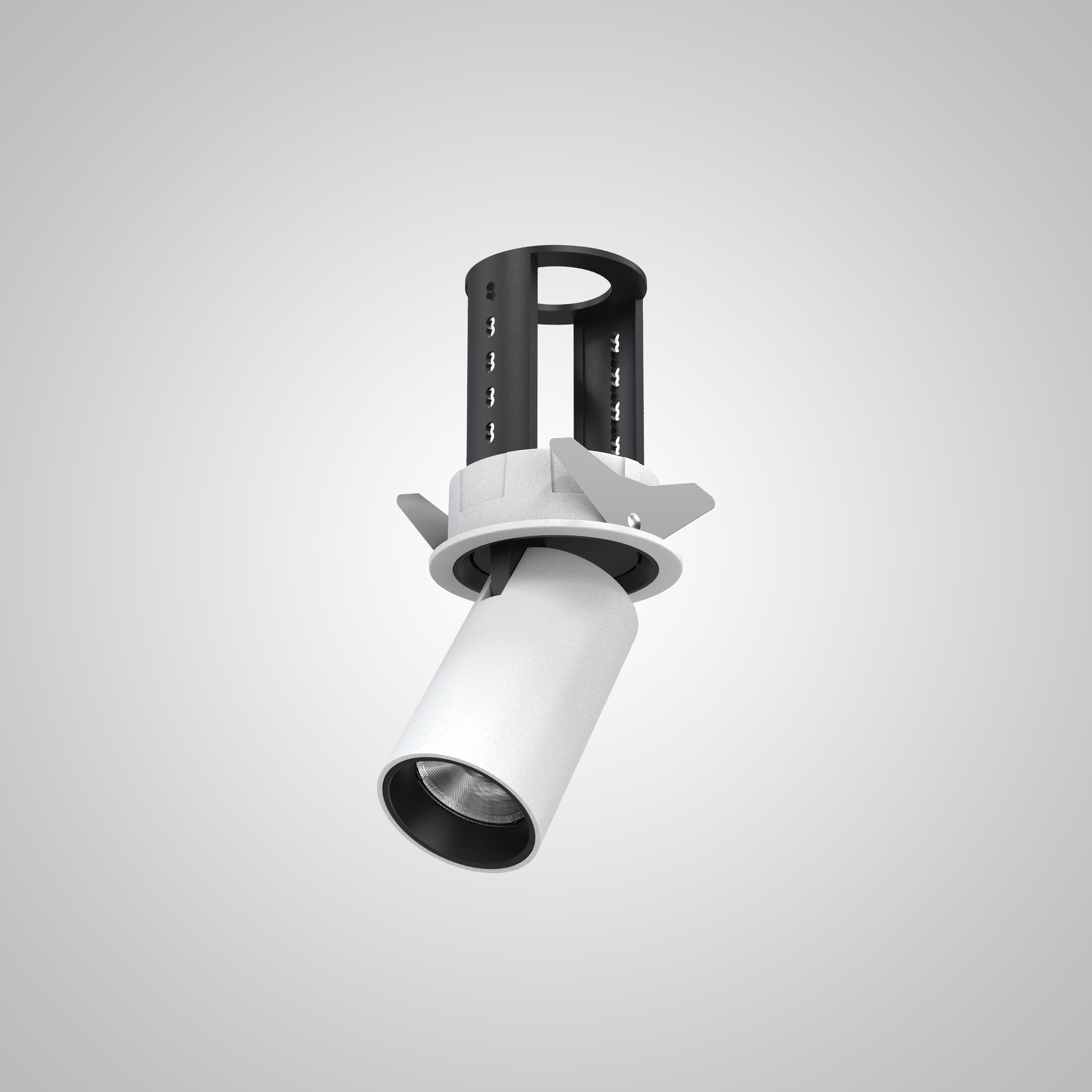
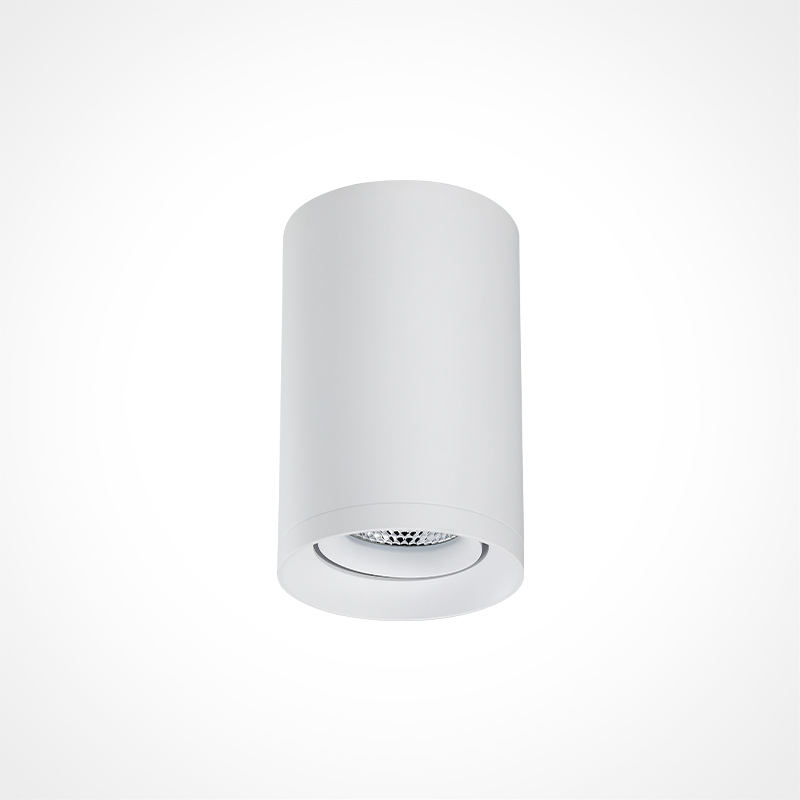
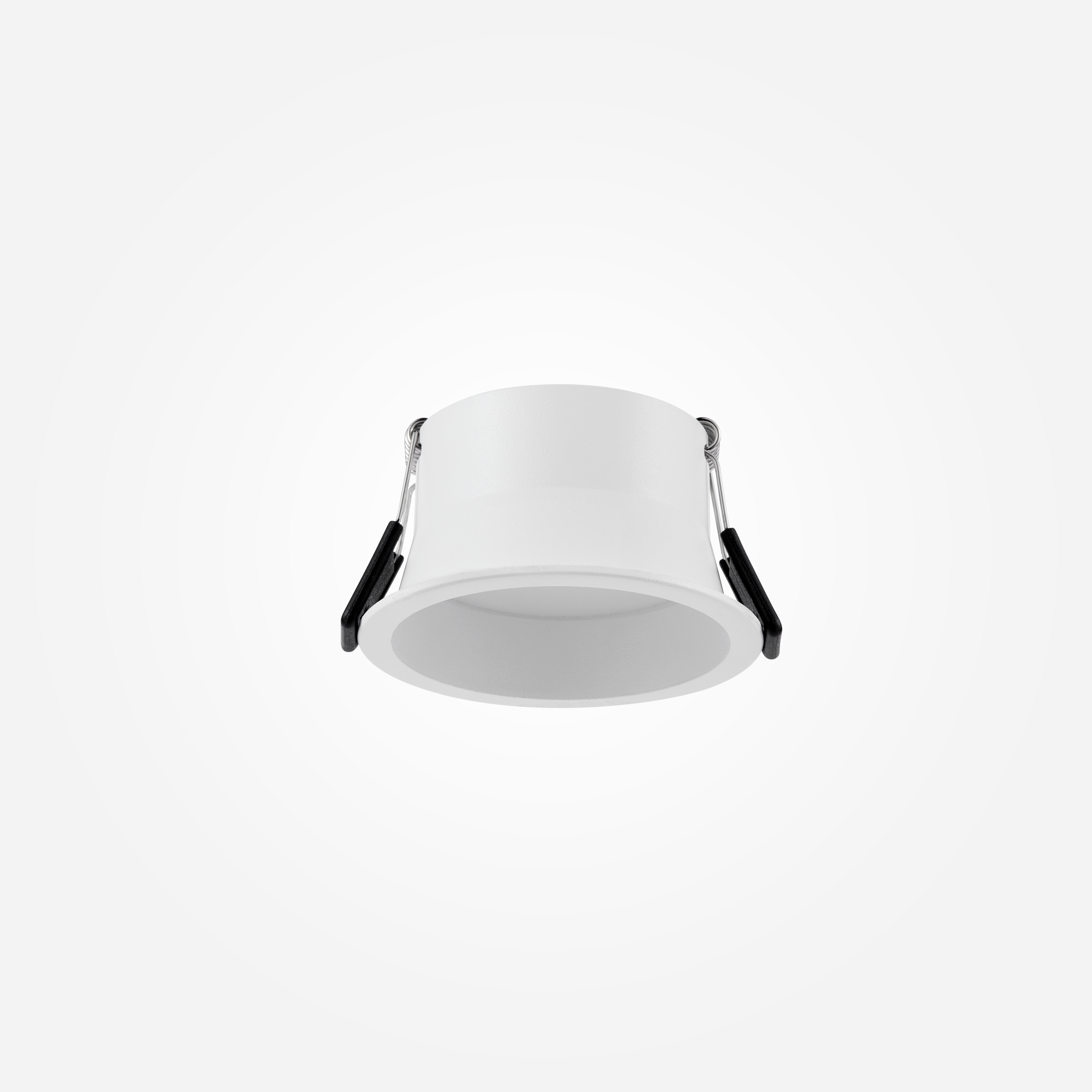
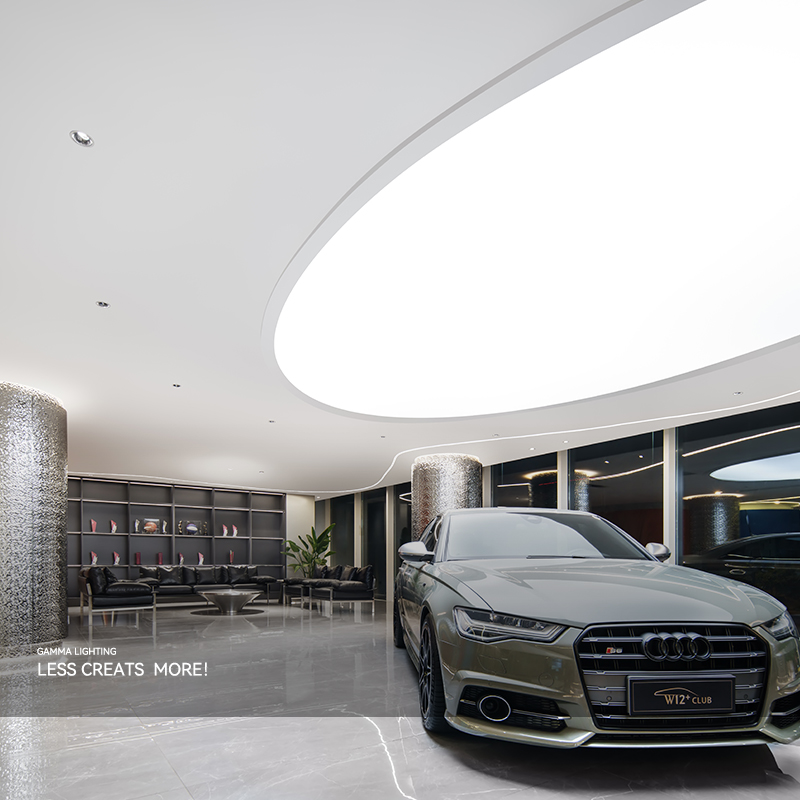
Anti-glare downlights and recessed or surface-mounted spotlights with carefully controlled optics are effective where ceilings are visible from a distance. Custom beam angles and housing finishes help fixtures integrate with stone, timber, metal, or dark-painted ceilings rather than competing with them. At the reception desk, vertical facial illumination deserves as much attention as horizontal light on the counter. Staff should be clearly visible without placing a harsh source directly in a guest’s view.
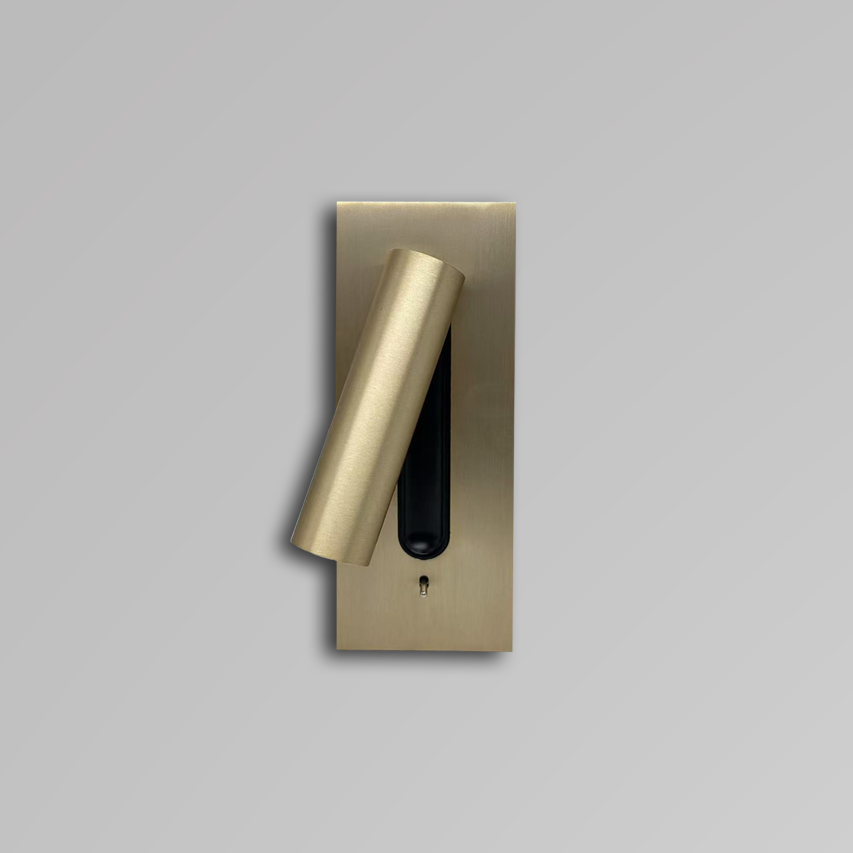
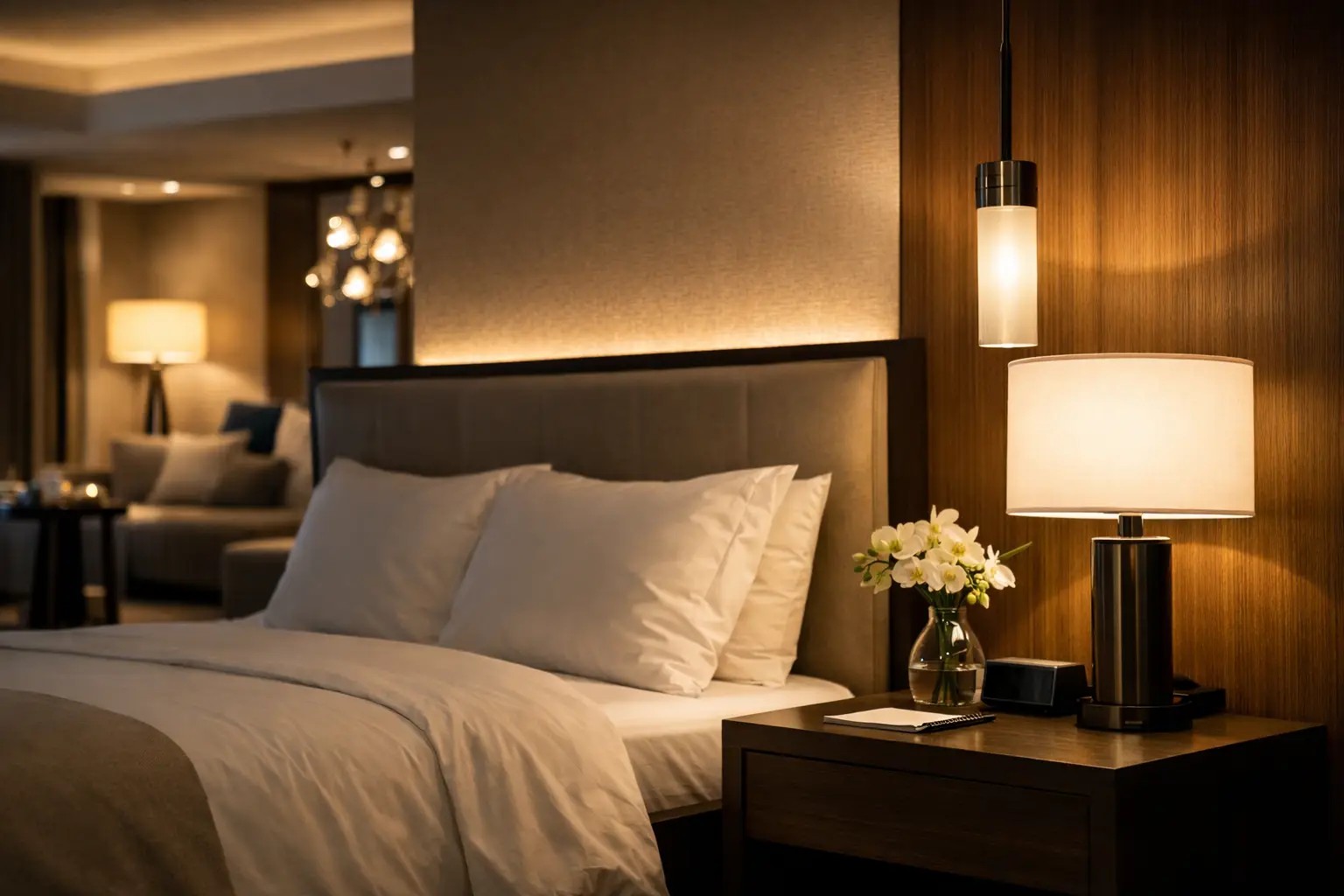
Guest rooms require layers, not a single ceiling grid. General lighting supports arrival and housekeeping. Accent lighting gives the room depth. Reading lamps provide concentrated, controllable light without disturbing a sleeping partner. Wardrobe and vanity lighting must render fabric, skin tone, and luggage contents accurately.
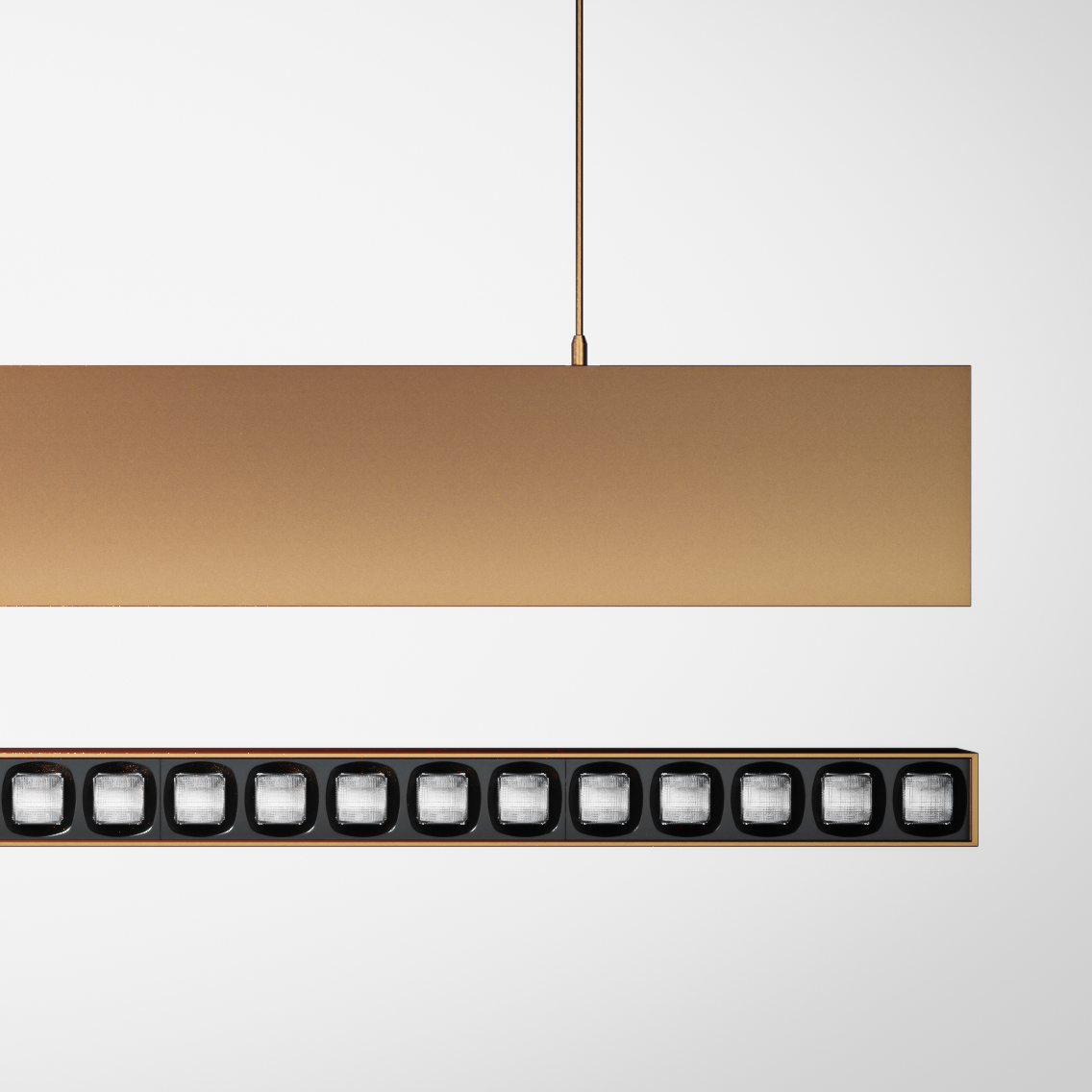
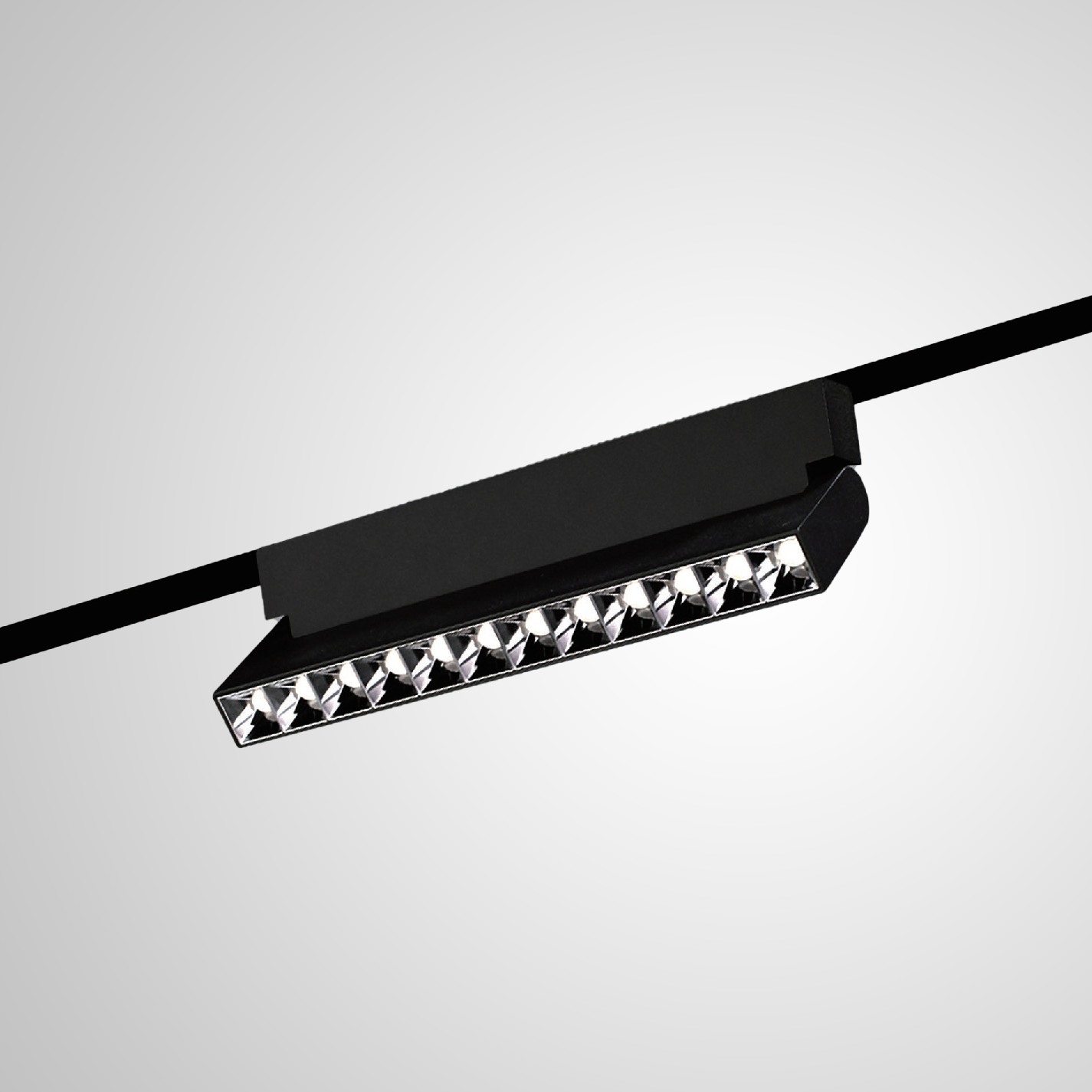
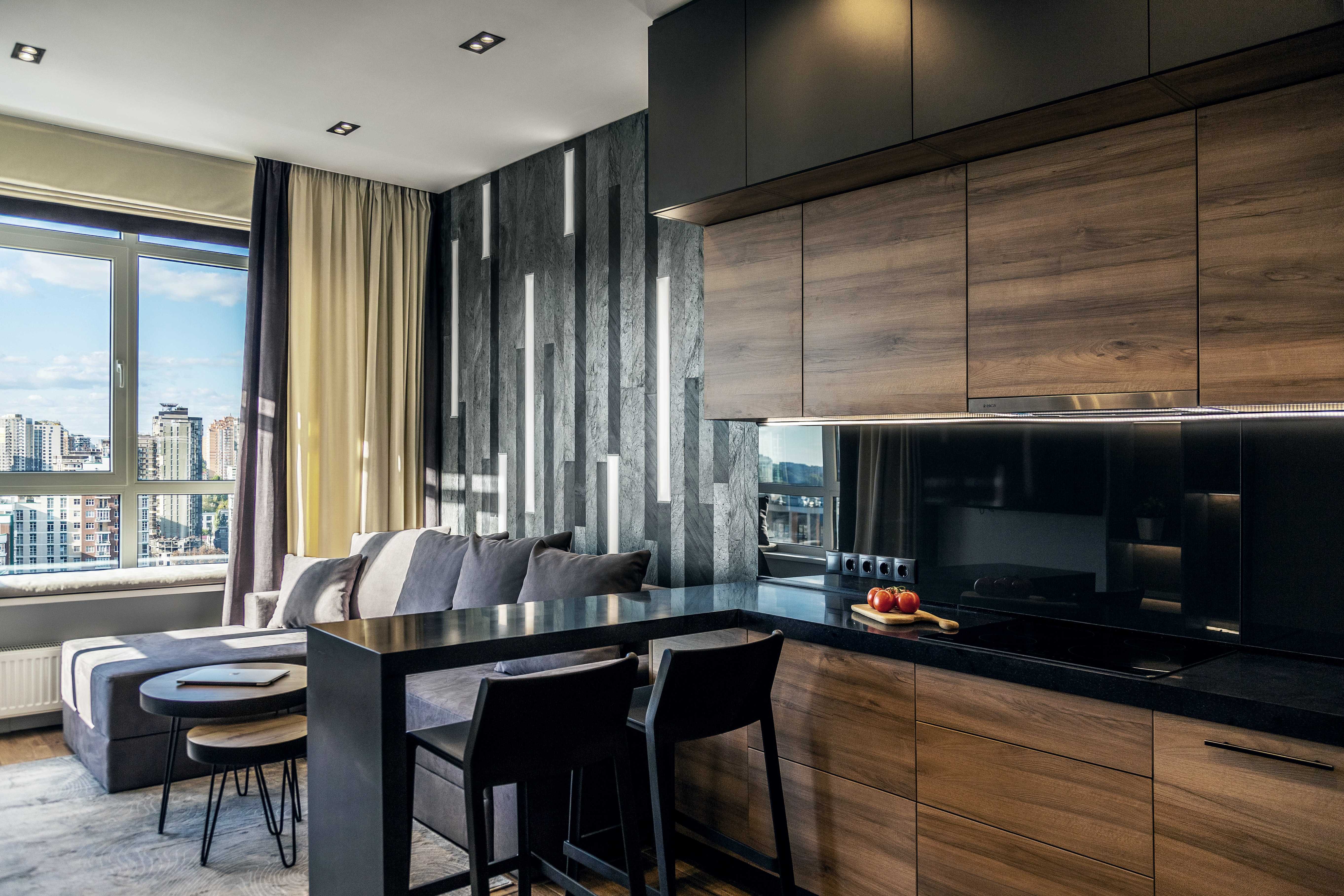
A customized room package can combine low-glare downlights, bedside reading lamps, compact adjustable spotlights, and concealed linear elements where appropriate. Dimming compatibility, driver placement, switching logic, and color consistency should be resolved before mock-up approval. A beautiful fixture is not enough if its driver is inaccessible or its dimming behavior is unstable at low levels.
For upscale suites, custom finishes and compact fixture dimensions are often as important as output. Lighting should support the interior palette and preserve ceiling clarity, especially where decorative details, timber slats, or low ceiling heights leave little tolerance for oversized equipment.
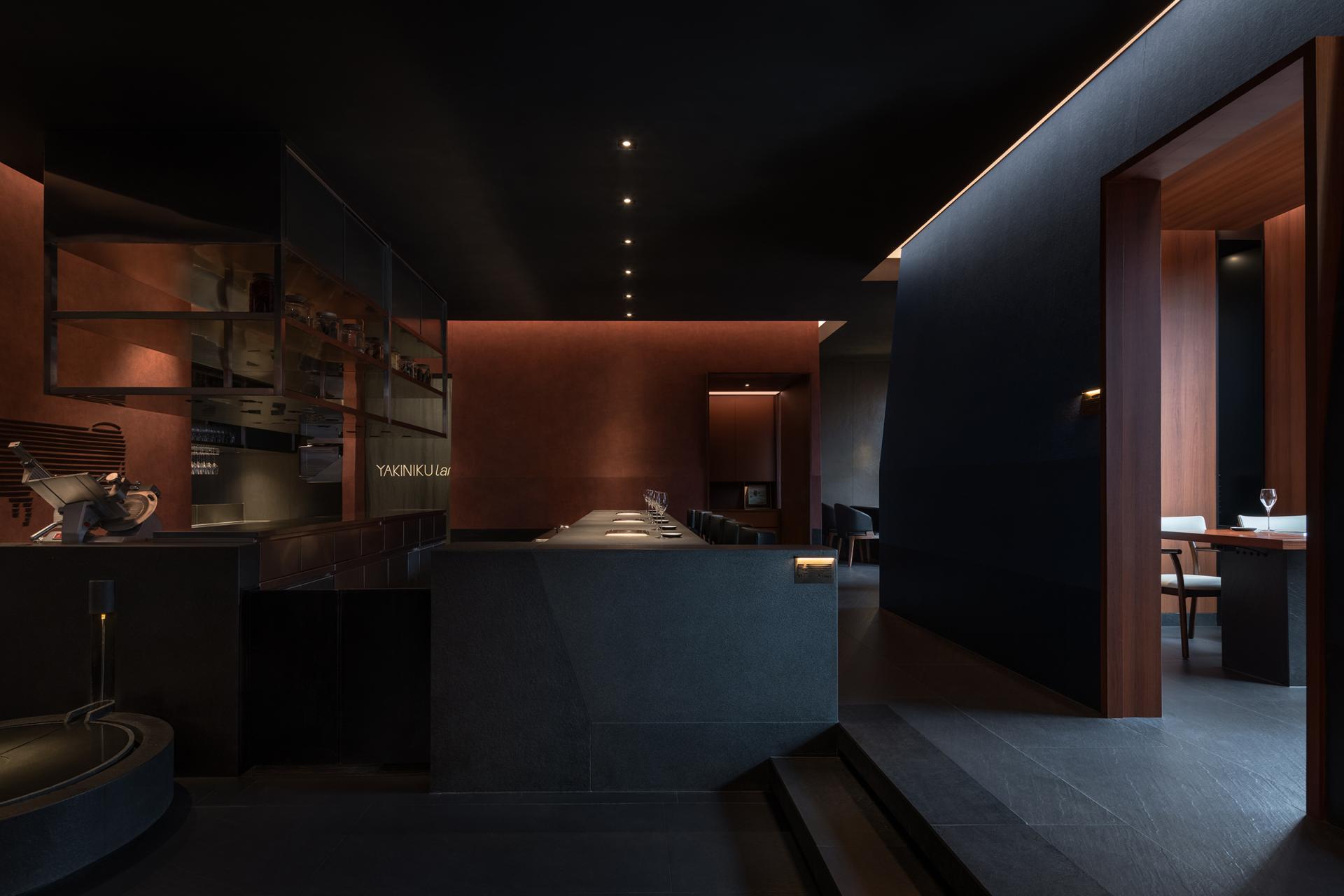
Hospitality dining spaces depend on controlled contrast. Guests want to see menus, companions, and food clearly, but they do not want to feel as if they are dining under office lighting. Warm, high-quality LED sources paired with narrow or medium-beam accent lighting can create intimacy around tables, displays, and material textures.
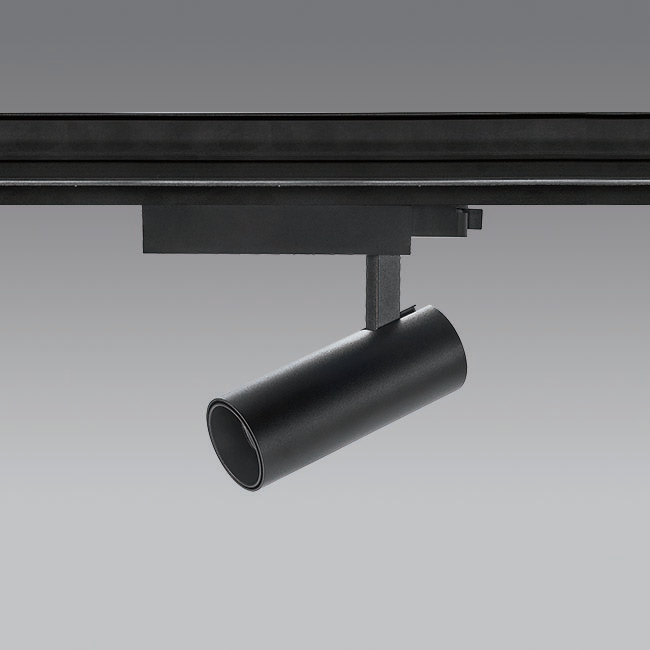
The right solution depends on the concept. A breakfast restaurant may need brighter, more uniform light than an evening cocktail bar. An open kitchen needs task illumination that supports staff, while the guest-facing view must remain visually composed. Adjustable track lighting is useful where layouts, artwork, or merchandising displays may change. In fixed high-end interiors, recessed or discreet surface-mounted fixtures may better protect the intended architectural aesthetic.
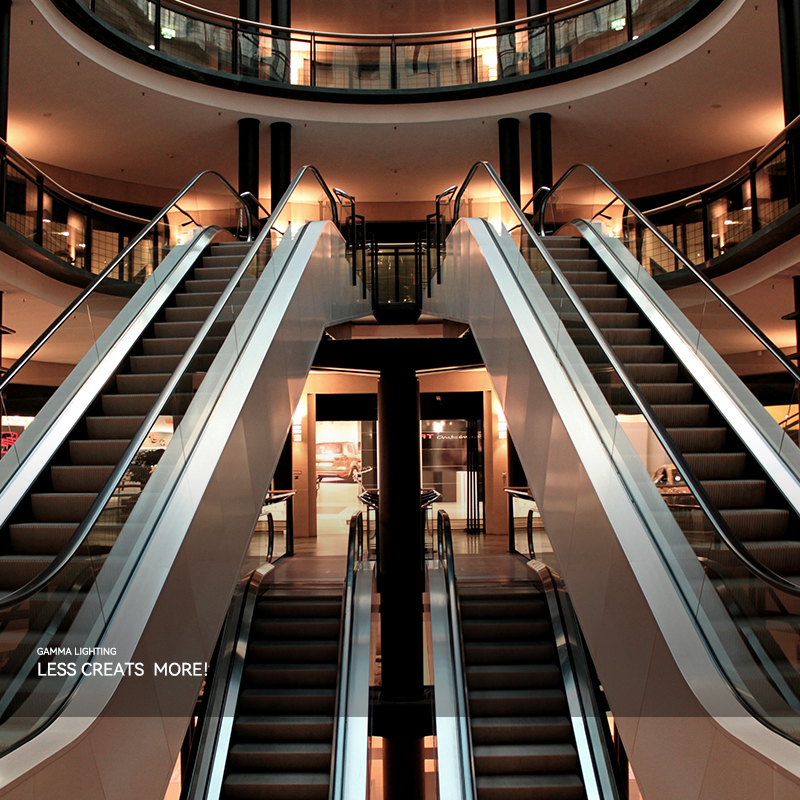
Corridors are often treated as purely functional, yet they influence a guest’s perception of room quality and wayfinding. Uniform light distribution along the floor, controlled wall illumination, and low-glare fixtures make long corridors feel safer and less repetitive. Door numbers and directional signage require deliberate vertical light, not incidental spill.
Meeting rooms need flexibility for presentations, video calls, cleaning, and events. Dimmable downlights, adjustable spots, and scene-based controls provide more value than a fixed lighting arrangement. In staff corridors, kitchens, laundry areas, and loading zones, the focus shifts toward task visibility, durability, energy use, and straightforward maintenance. Customization should serve operations here, not decorative excess.
Custom lighting is most effective when the project team defines performance criteria early. Color temperature is one example. Many premium hotels favor warm white light in guestrooms and guest-facing social spaces, but the exact selection depends on finishes, daylight availability, local market expectations, and the property’s brand character. A warmer source can enrich wood and stone; it may also make a bright, contemporary lobby feel too subdued if the intended atmosphere is crisp and active.
Color rendering is equally significant. High color fidelity helps food, art, textiles, and skin tones appear natural. For guest rooms and dining venues, it directly affects perceived quality. Consistency matters as much as a high specification on paper. Mixed LED bins or unmatched replacement products can create visible color differences across ceilings and walls.
Glare control should be evaluated from actual viewing positions, not only from a reflected ceiling plan. Deep-set light sources, shielding, controlled apertures, and appropriate optics can reduce visual discomfort. However, excessive shielding may reduce usable light or require more fixtures, so the answer is not always the deepest possible recess. Mock-ups are valuable for testing the relationship between beam spread, ceiling height, material reflectance, and guest sightlines.
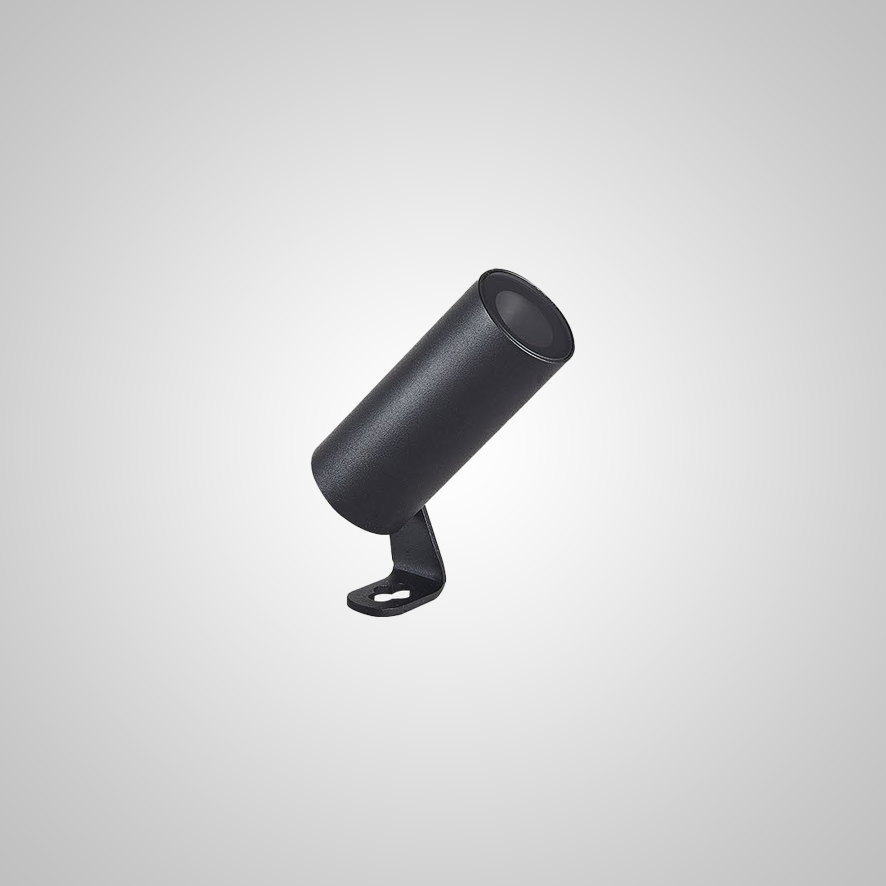
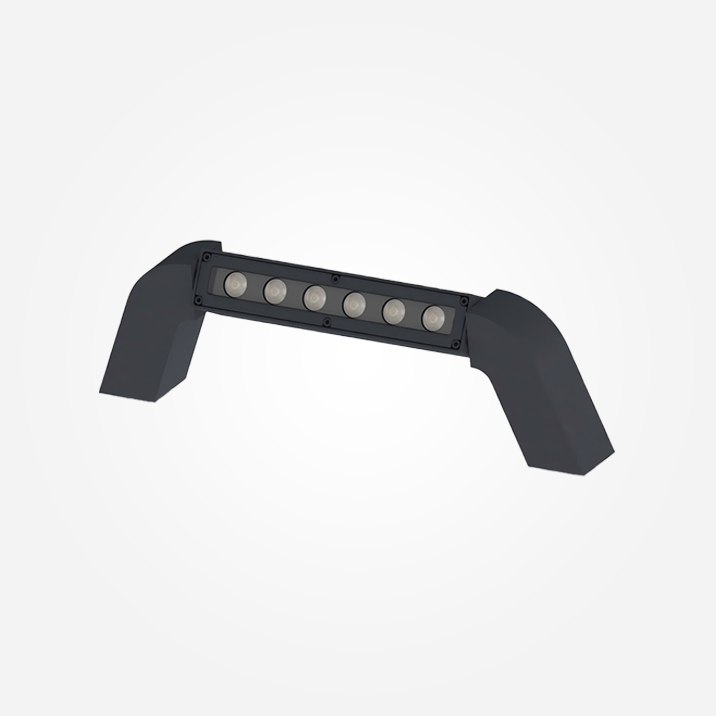
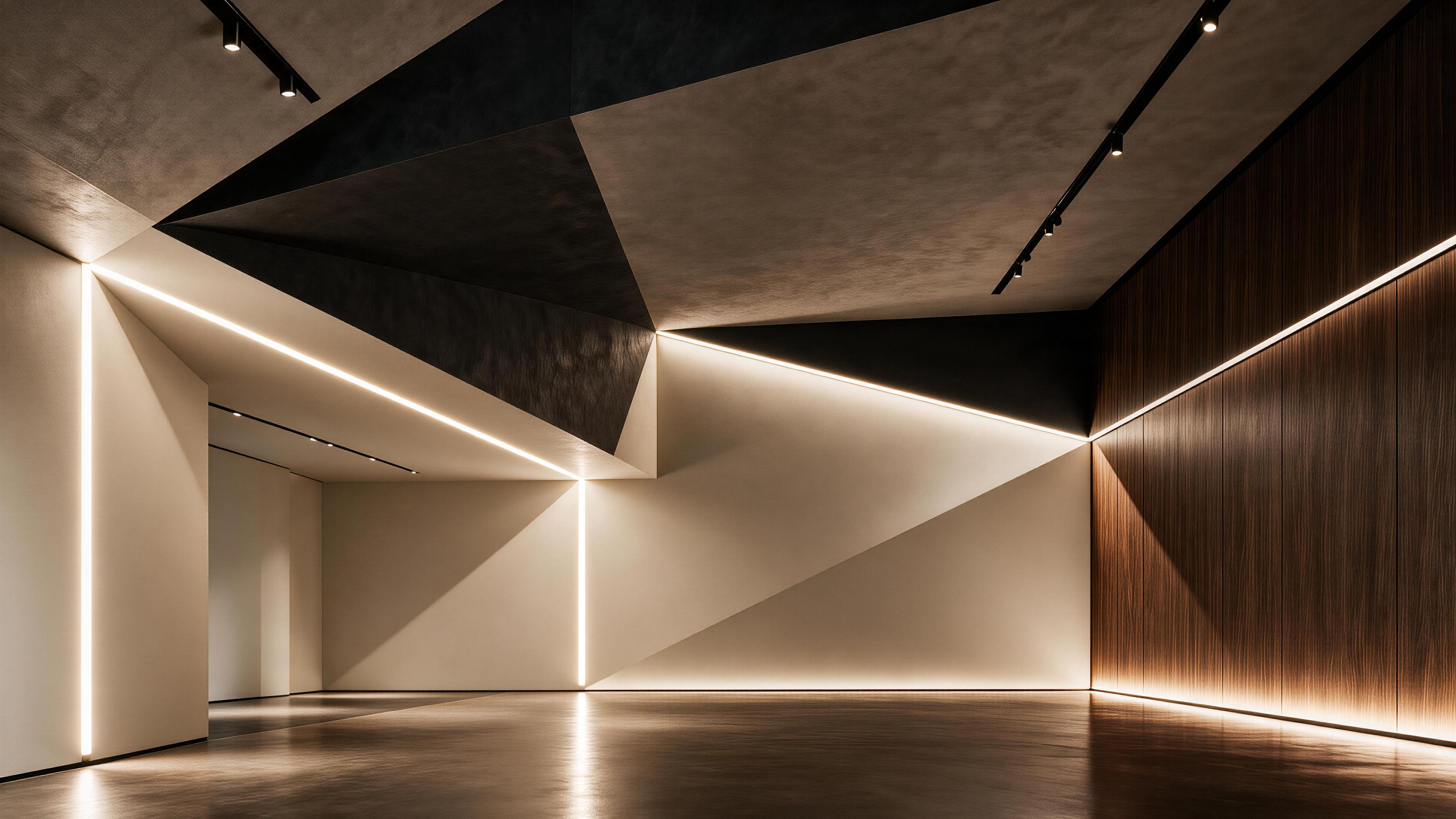
Beam selection also needs discipline. Narrow beams create drama on art and architectural details but can produce bright scallops and dark gaps when used indiscriminately. Wider beams support general coverage but may flatten textured surfaces. Adjustable spotlights offer valuable flexibility in lobbies, galleries, and restaurants, particularly when the final furniture plan or artwork package may evolve.
A custom luminaire should be designed for the reality of construction. Ceiling depth, fire-rated assemblies, access restrictions, HVAC coordination, and local electrical requirements all influence fixture selection. A solution that looks ideal in a rendering can become expensive or impractical if it requires ceiling voids that the project does not have.
Controls deserve the same attention. Scene setting allows the lobby to shift from morning check-in activity to an evening social environment. Guest room controls should be intuitive, with clear presets for entry, relaxation, reading, and night use. Sophisticated systems can support occupancy response and operational energy management, but they must remain easy for staff to commission, adjust, and maintain.
Maintenance planning is often the deciding factor between a lighting scheme that performs for years and one that degrades quickly. Specify accessible drivers, consistent LED color quality, replaceable components where appropriate, and fixture locations that can be serviced without disruptive demolition. For large hotels, standardized core components across room types can materially reduce spare-part complexity.
The strongest results come from aligning lighting requirements with the hospitality narrative before products are selected. Begin with each space’s operational purpose, the guest emotion it should create, target lighting levels, ceiling and material constraints, and the expected control scenes. Then develop fixture families that meet those criteria.
A physical mock-up remains one of the most useful project tools. It reveals glare, shadows, color interaction, dimming behavior, and mounting proportions that drawings cannot fully communicate. It also provides a clear benchmark for contractors and procurement teams.
Gamma Lighting supports this specification-led approach with no minimum order quantity for customized lighting, helping project teams refine fixture dimensions, finishes, optics, and performance details without forcing a design into a pre-set catalog limitation. Strong research and development capability matters most when it is applied to a real installation question, not treated as a generic product claim.
The best hotel lighting does not call attention to its complexity. Guests simply feel oriented at arrival, comfortable at dinner, relaxed in their rooms, and confident moving through the property. That experience begins with technical decisions made early enough to let the architecture and the light work as one.