 Technical Fies
TIPS
Many thanks for your trust, We will contact you as soon as we see the information
Technical Fies
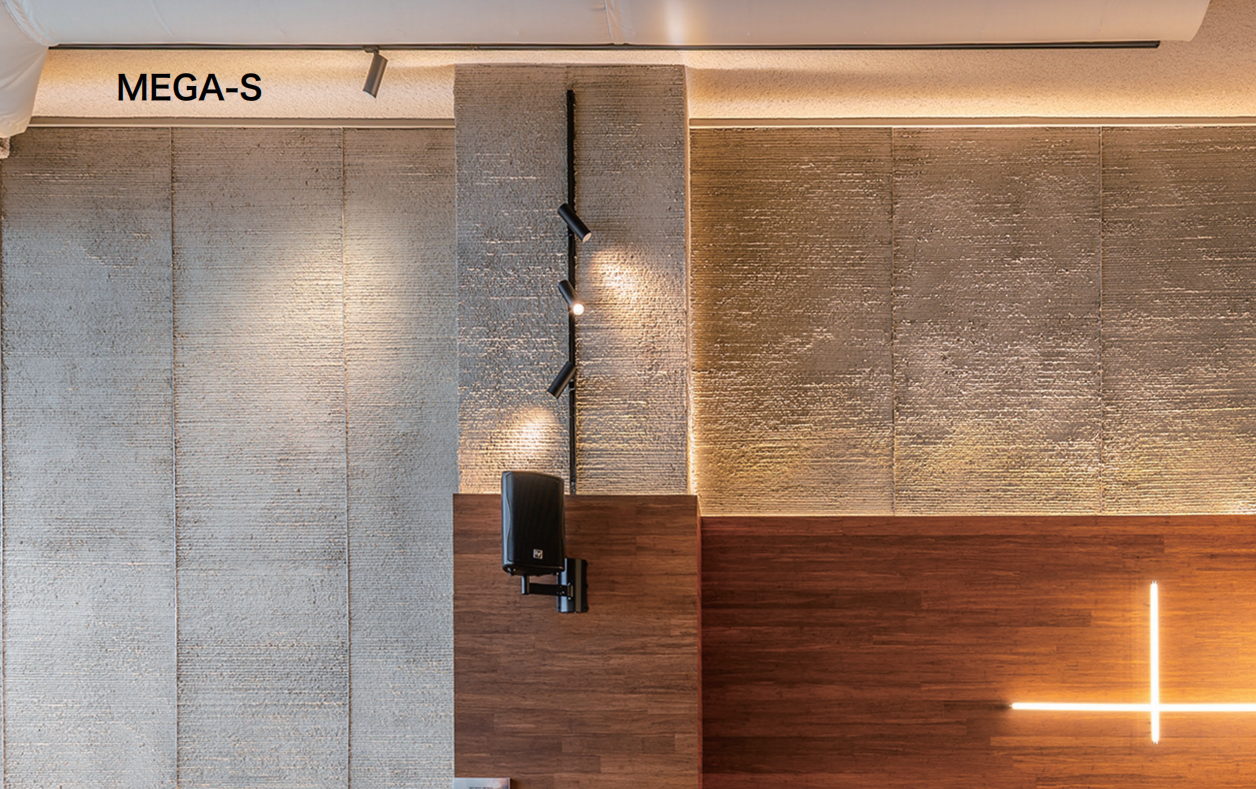
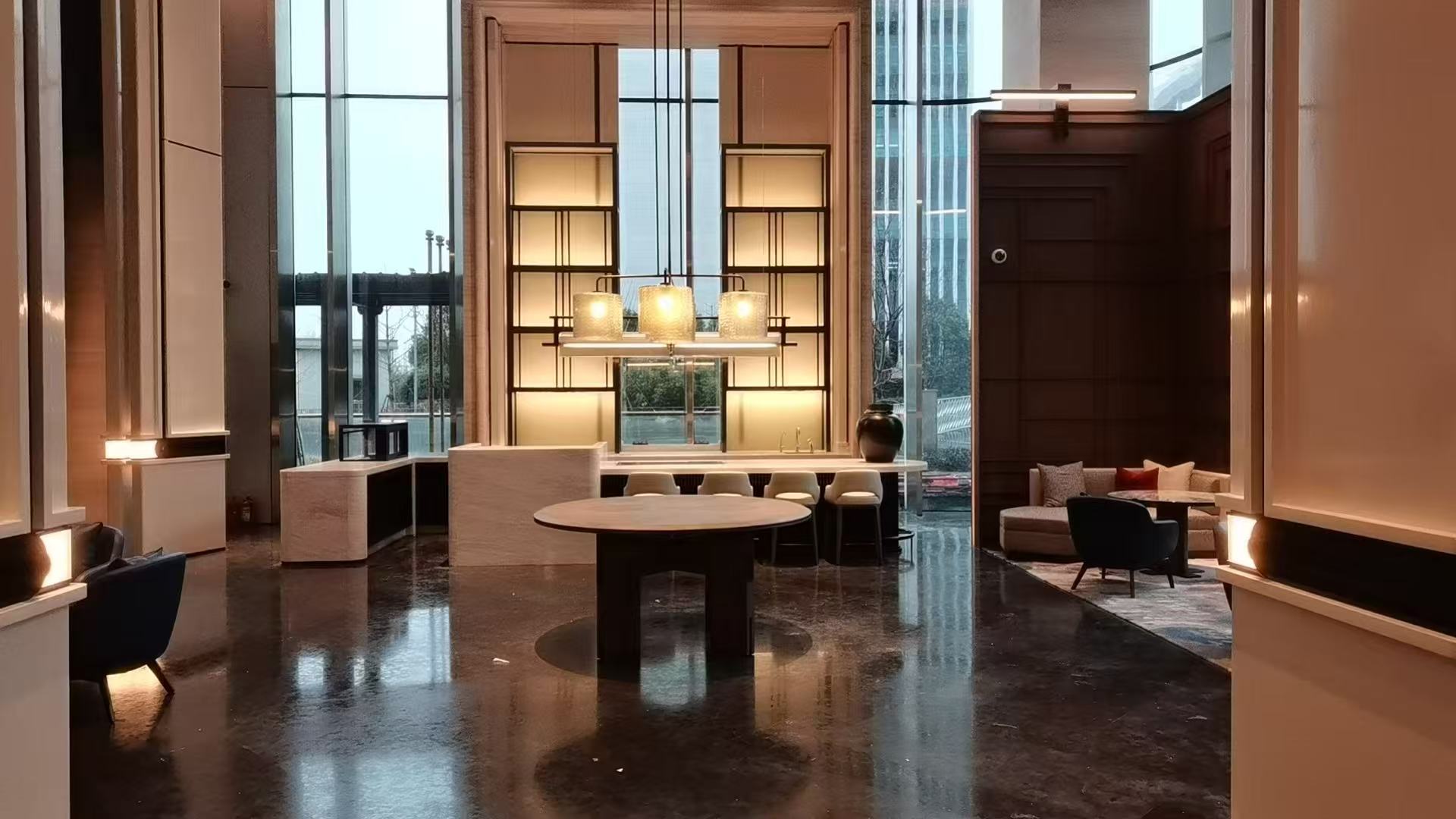
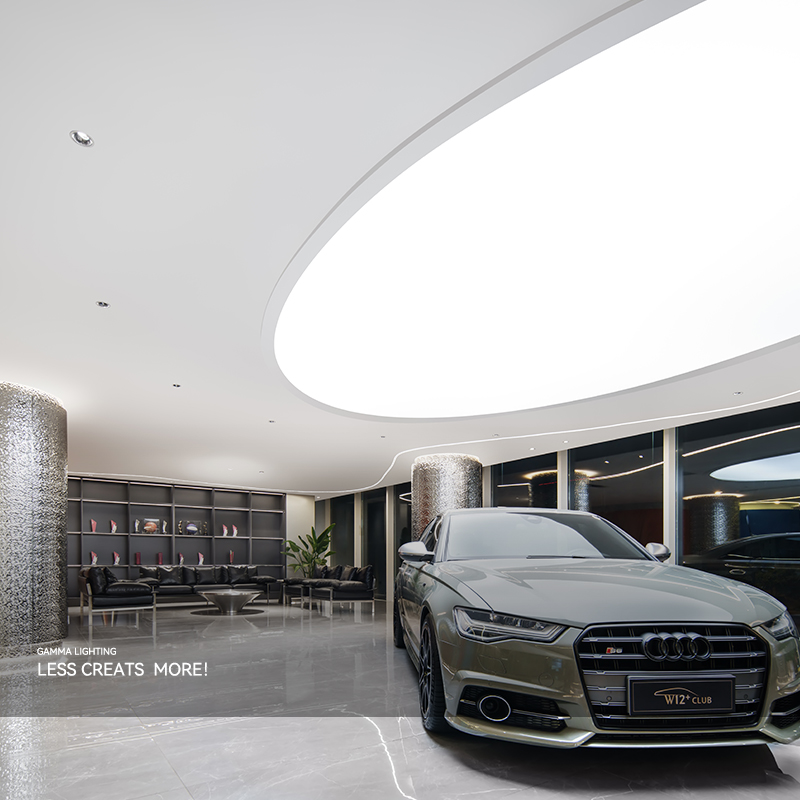
A luxury retail wall can look flat under the wrong beam angle. A gallery can lose curatorial intent when fixture glare competes with the artwork. Low voltage track lighting systems address these project-level challenges by placing adaptable, precisely controlled luminaires on a discreet electrified track. For architects, lighting designers, and contractors, the value is not simply flexibility. It is the ability to preserve an architectural concept while adjusting light to merchandise, artwork, circulation, furniture, and changing operational needs.
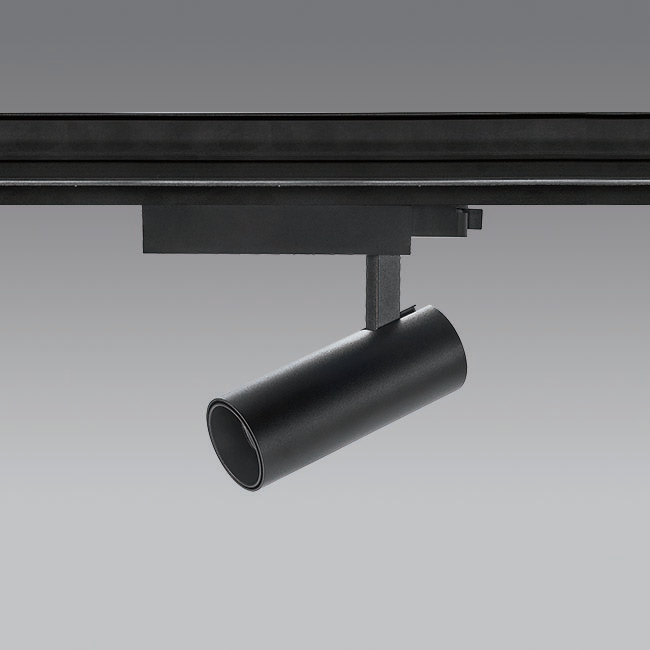
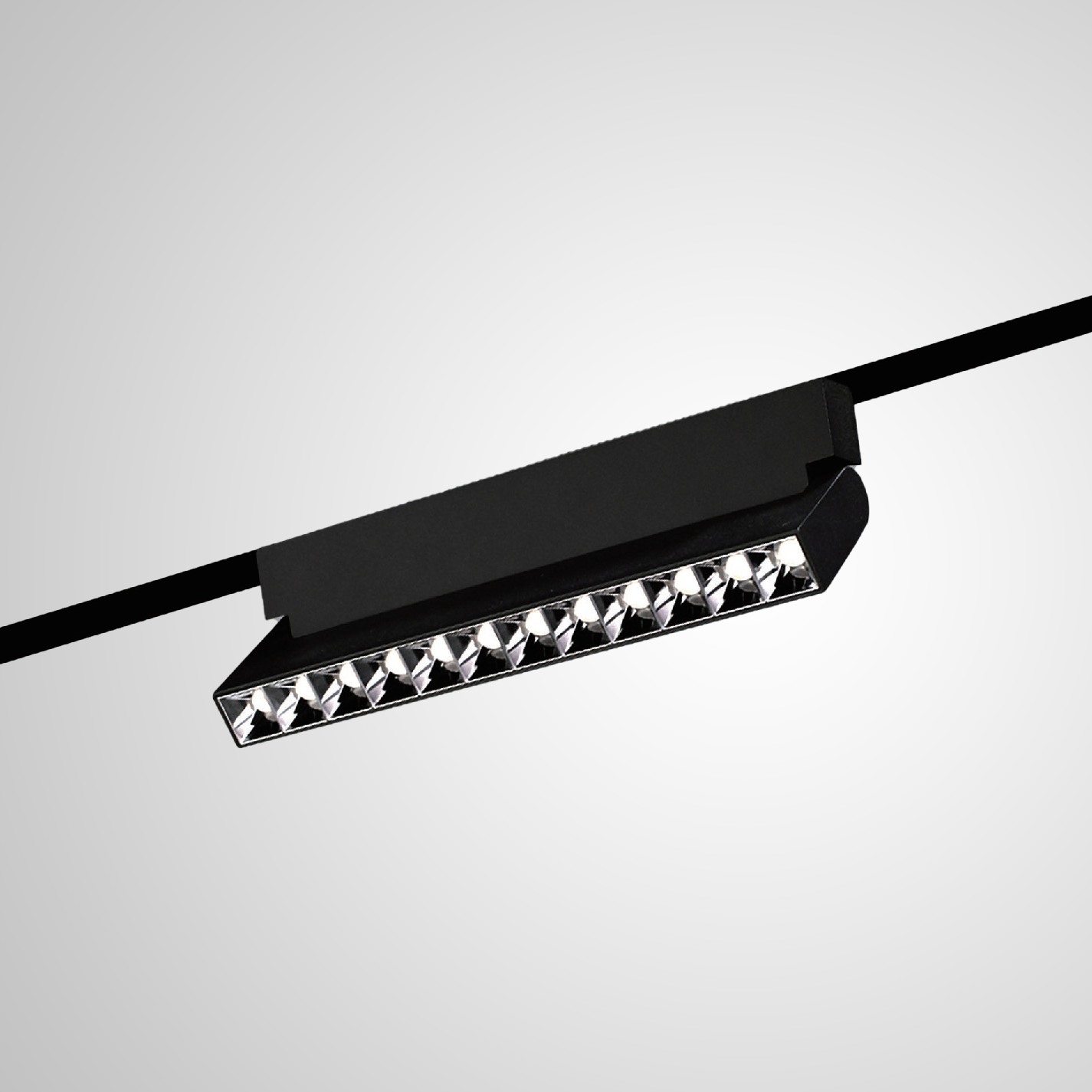
Low voltage track lighting typically uses a low-voltage DC track, commonly 48V, with a remote power supply that converts mains voltage before it reaches the track. This arrangement supports compact fixture proportions and a cleaner ceiling composition than many conventional track systems. It also enables a wider vocabulary of luminaires, including miniature spotlights, linear modules, pendants, wall-washers, and adjustable accent heads, all operating from the same infrastructure.
For premium interiors, that smaller scale matters. A narrow-profile track can sit quietly within a timber ceiling, gypsum recess, open soffit, or display framework without turning the lighting system into a dominant visual element. The fixtures remain available where light is needed, but the ceiling retains its intended rhythm.
The other advantage is operational adaptability. A retailer may alter a display layout every season. A hospitality venue may reconfigure tables for events. An exhibition may require completely different focal points from one installation to the next. Rather than moving electrical points and repairing finishes, the project team can reposition compatible luminaires along the track and re-aim them during commissioning.
That flexibility does not mean every project should use low voltage track. Large spaces requiring broad, high-output general illumination may need a complementary downlight, linear, or indirect lighting layer. Track lighting performs best when it is treated as a precision tool within a considered lighting scheme, not as a substitute for every lighting function.
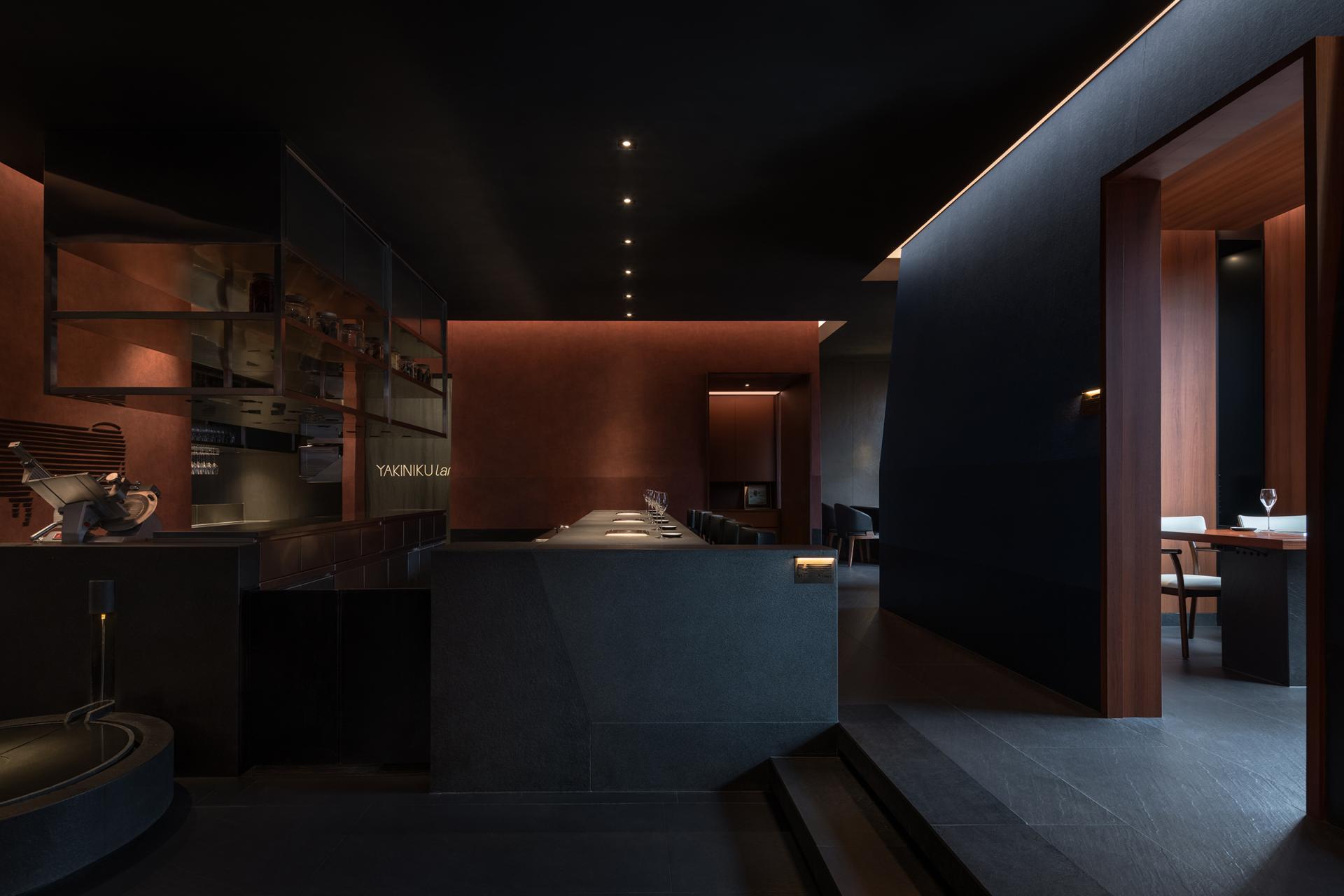
Specification should begin with what the light must reveal. In a fashion boutique, vertical illumination and contrast help merchandise read clearly from the aisle. In a restaurant, the priority may be warm, controlled pools of light that give tables presence without producing uncomfortable brightness in guests' sightlines. In a gallery, accurate color rendering, beam control, and careful aiming protect the viewing experience.
A fixture's wattage alone does not answer these needs. Designers should evaluate lumen output, center beam candlepower, beam angle, color temperature, color rendering index, dimming behavior, and physical aiming range together. A low-output narrow beam can create an effective highlight on a small object, while a higher-output wide beam may be required to establish even light across a large wall.
Mounting distance is equally influential. A spotlight installed close to a display wall needs a different beam distribution from one installed on a high ceiling. As a practical rule, the farther the fixture is from the target, the more output or tighter beam control may be needed. Lighting calculations and on-site aiming remain essential, particularly where surface finishes are dark, highly reflective, textured, or color-sensitive.
Beam angle selection determines whether a room feels composed or visually scattered. Narrow beams can establish drama and direct attention to products, sculptures, architectural details, or a feature table. Medium beams are often suitable for display zones and general accents. Wide beams support wall washing, broader merchandise coverage, and lower-contrast environments.
Using only one beam angle throughout a project often produces a repetitive result. A more deliberate approach layers light: a wider distribution establishes readable ambient brightness, while controlled accent beams create focal points. The contrast should support the intended experience. In a luxury showroom, selective highlights can reinforce exclusivity. In an office reception, excessive contrast may make the room feel fragmented rather than refined.
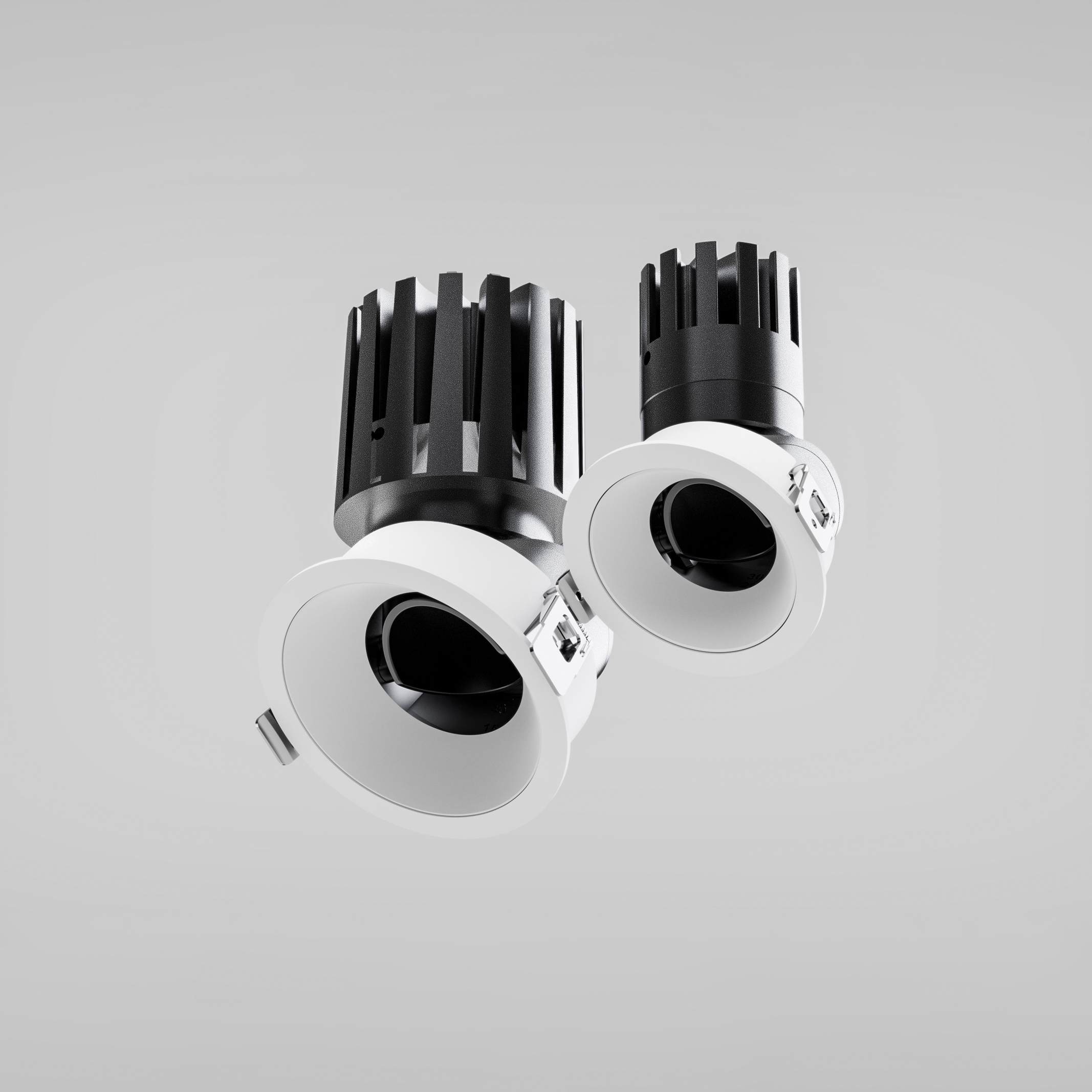
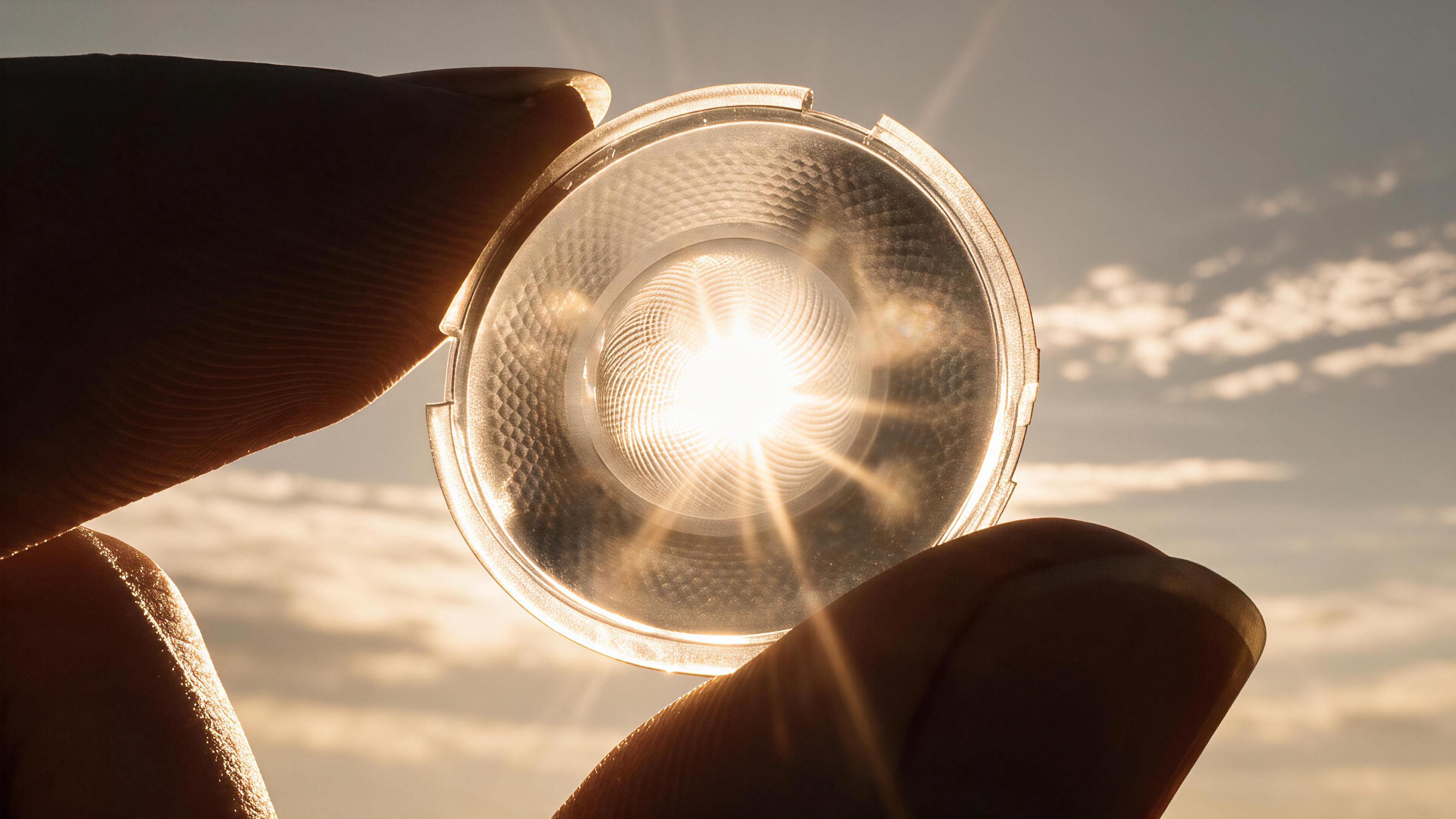
High-quality LED performance is not enough if the source remains visible at normal viewing angles. Anti-glare optics, recessed light sources, shielding accessories, and correct aiming all reduce visual discomfort. This is especially important in hospitality, retail, and workplaces, where people spend extended periods under the lighting.
Glare control is also a planning issue. A well-designed spotlight can still be uncomfortable if it is aimed toward a seated guest, reception desk, mirror, polished surface, or primary circulation path. During commissioning, fixtures should be assessed from actual user positions, not only from a reflected ceiling plan. This small discipline often separates a technically compliant installation from a genuinely comfortable environment.
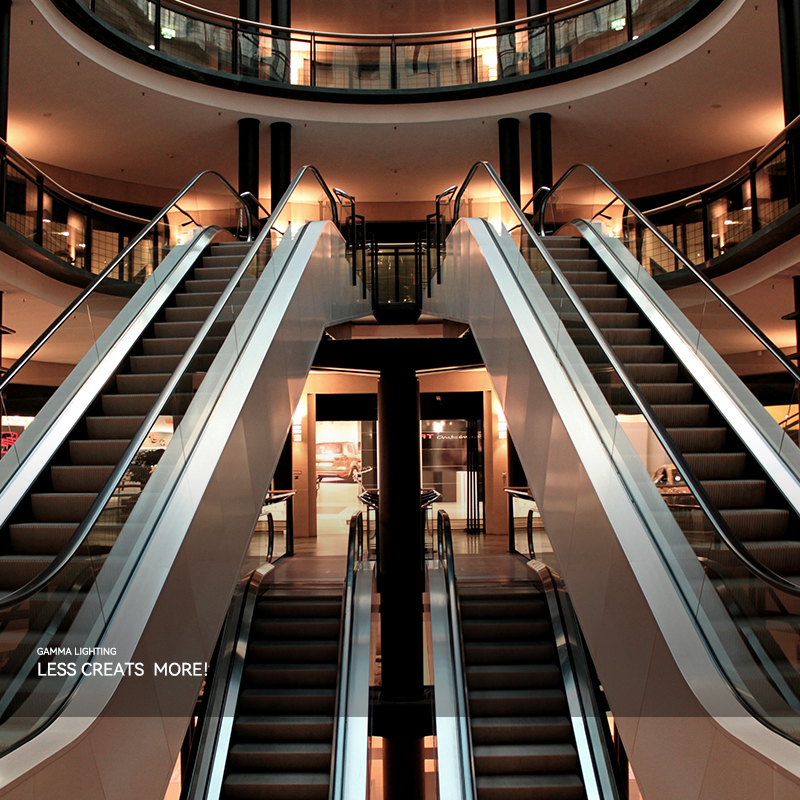
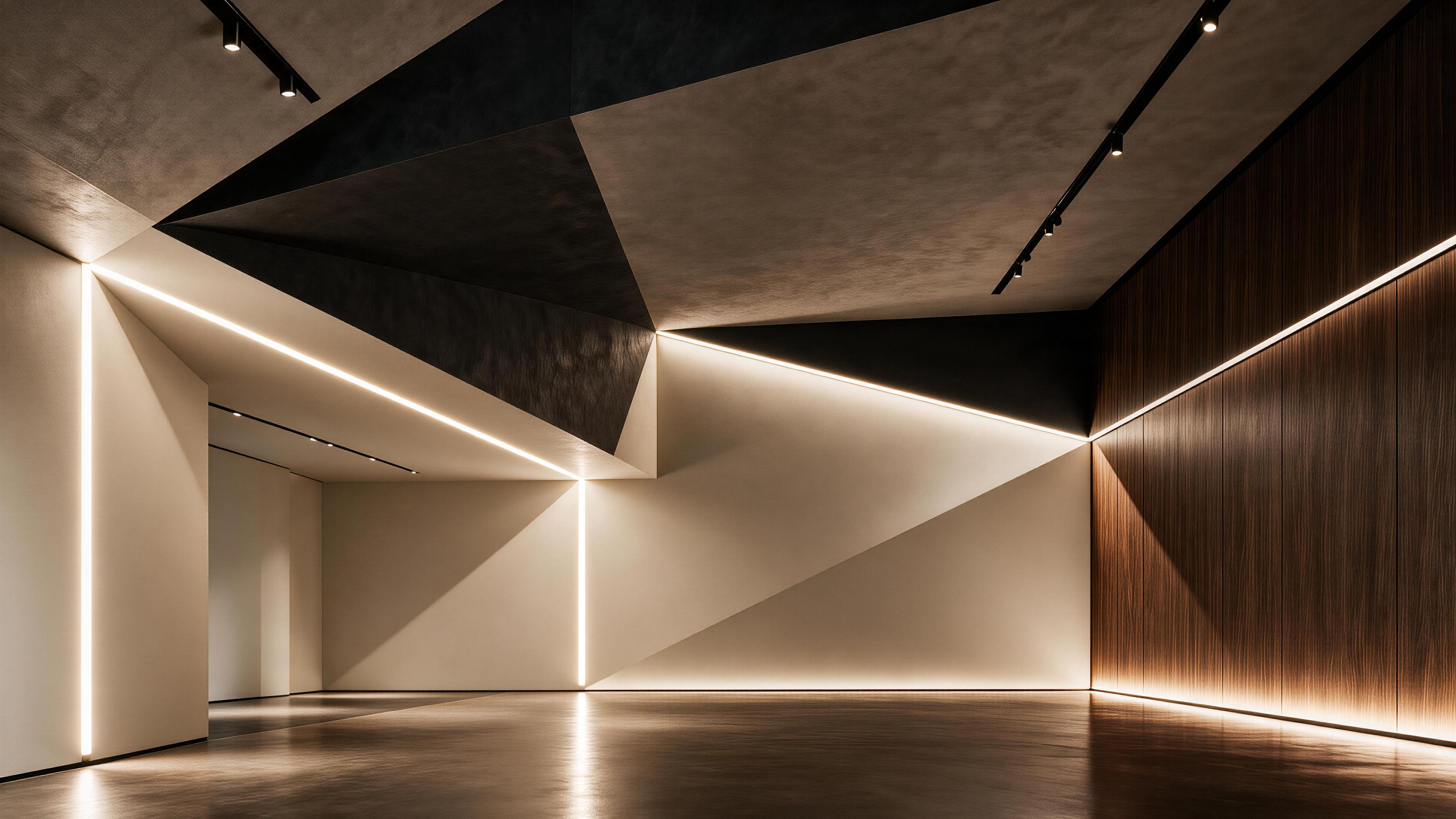
The track is both a mounting system and an electrical distribution platform. Its layout should follow architecture, display strategy, maintenance access, and the likely evolution of the space. Straight runs are effective above shelving, counters, corridors, and wall displays. L-shaped or rectangular arrangements can organize light around feature zones. Recessed tracks can create a highly integrated ceiling detail, while surface-mounted tracks may be the practical choice for retrofit work, exposed ceilings, or projects requiring visible industrial character.
Before finalizing the track route, coordinate it with sprinklers, HVAC diffusers, access panels, signage, ceiling joints, and structural elements. A narrow track may appear simple in elevation, but poor coordination can leave fixtures blocked from their intended aiming positions or make maintenance unnecessarily difficult.
Power capacity requires the same care. Calculate the connected load for each track section, allow appropriate headroom, and confirm the maximum permitted load for the track, driver, connectors, and control components. The driver location should remain accessible for service while respecting ventilation needs and architectural concealment. Long cable runs can introduce voltage drop, so power-feed locations and circuit lengths should be planned rather than assumed.
Low-voltage systems vary by manufacturer. Mechanical dimensions, adapters, electrical contact arrangements, control protocols, and accessory compatibility are not universally interchangeable. A project should specify one complete, tested system instead of assembling a track from mixed sources. This protects performance, warranty coverage, and future maintenance.
Dimming is one of the strongest reasons to choose a professional LED track system, but the chosen control method must align with the project brief. A restaurant may need scenes that shift gradually from breakfast service to evening dining. A gallery may require individual zones for changing exhibitions. A retail environment may benefit from scheduled levels that maintain brand consistency while reducing energy use outside peak hours.
Common options include phase-cut dimming for simpler installations and digital control approaches such as DALI for more granular zoning, scene setting, and integration. The best option depends on the electrical design, operating team, budget, and future expectations. Specifying sophisticated controls for a space with no commissioning support can create avoidable complexity. Conversely, using only basic switching in a high-end multipurpose venue can limit the value of an otherwise capable lighting installation.
Color temperature should also be selected by application, not fashion. Warm light can strengthen comfort and material richness in hospitality and residential-style retail. Neutral white may support clarity in offices and general commercial spaces. Where brand colors, art, food, textiles, or cosmetics are central to the experience, high color rendering and consistent color quality across fixture batches are critical.
A specification becomes a successful installation only when the installation and aiming are executed with the same precision as the product selection. Track alignment should be straight, secure, and coordinated with ceiling lines. Electrical connections must be verified before fixtures are added. Each luminaire should be installed with the correct adapter orientation, mechanical lock, and circuit assignment where applicable.
Commissioning is where the design intent becomes visible. Aim fixtures after furniture, merchandise, artwork, and signage are in place whenever possible. Check for shadowing, reflected glare, uneven wall brightness, and unwanted spill onto neighboring displays. Dimming levels should be tested at both low and high output, since poor low-end behavior can be noticeable in restaurants, hotel lounges, and other evening-focused settings.
For changing spaces, record fixture types, beam angles, track positions, aiming notes, driver locations, and control addresses. This documentation reduces disruption when a tenant refreshes a display or a facility team replaces a luminaire years later. It also allows the original lighting hierarchy to be restored after routine maintenance.
Gamma Lighting supports project-specific low-voltage track solutions where standard fixture dimensions, optics, finishes, outputs, or installation details do not fit the architectural requirement. For design teams, early technical coordination can prevent compromises that become expensive once ceilings and millwork are complete.
The most effective track lighting is rarely the most visible. When the system is properly scaled, carefully aimed, and supported by controlled optics, people notice the merchandise, the materials, the art, and the atmosphere first. That is the standard worth specifying from the first ceiling plan onward.